If you are researching Highland cattle for your farm, hobby property, or family, you may have come across terms such as Mini Highland, Micro Mini Highland, and miniature Highland cattle. At first, these terms can sound like different recognized types of the same breed. However, the terminology is not always as straightforward as it appears.
Understanding the difference between Mini Highland vs Micro Mini cattle can help you ask better questions, compare animals responsibly, and choose cattle that fit your property and long-term goals.
The most important thing to understand is that “Mini Highland” and “Micro Mini Highland” are not interchangeable terms with one universally accepted size standard. Sellers and breeders can use miniature terminology differently. Therefore, buyers should look beyond a label and learn about the individual animal, its parents, expected mature size, health, structure, and breeding background.
[Mini Highland Cattle Buyer’s Guide] is a helpful place to start if you are still researching what to consider before purchasing.
What Is a Mini Highland?
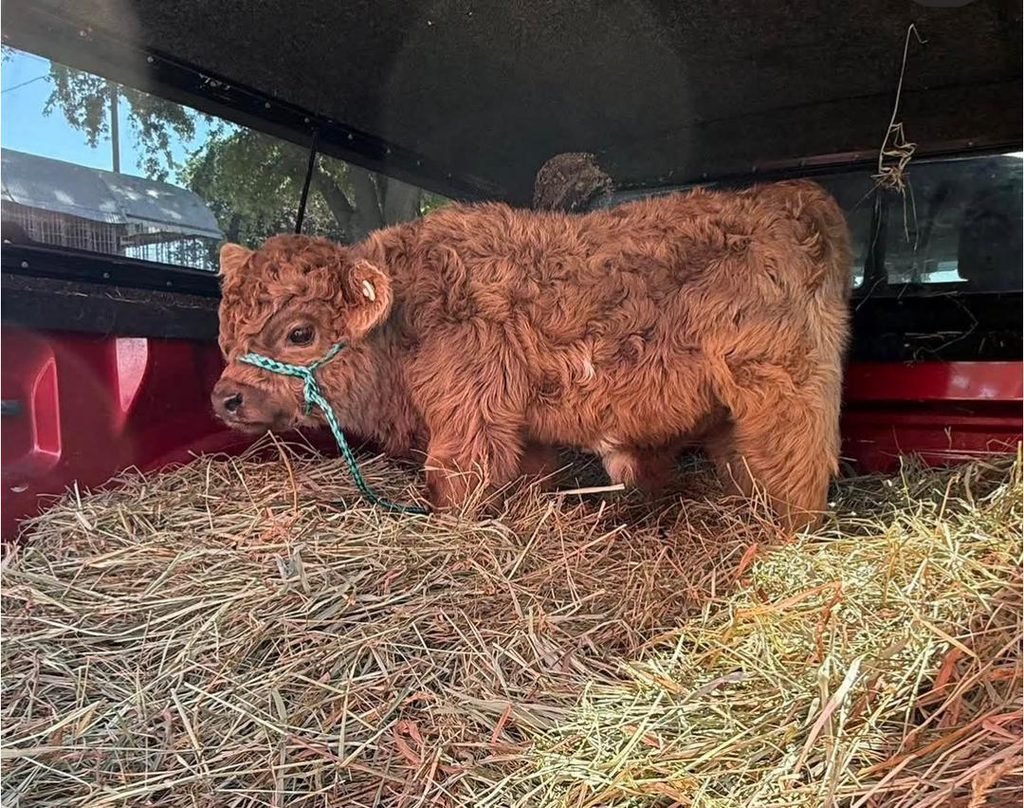
A Mini Highland generally refers to a Highland-type animal that breeders or sellers market as smaller than traditional Highland cattle. The term often describes size rather than a separate, universally recognized breed category. Buyers should therefore look beyond the word “mini” when evaluating an animal.
AHCA — The Breed: https://highlandcattleusa.org/breed-resources/the-breed/
Instead of focusing only on a label, ask about the calf’s parents, genetics, current measurements, expected mature size, health, and overall structure. These details can give you a much clearer picture of the animal you may eventually own.
. What Does Micro Mini Highland Mean?
Micro Mini Highland” is a term you may see in advertisements for particularly small Highland-type cattle. However, the phrase does not establish a universally accepted breed classification or guarantee a specific adult height.
Some sellers use the term to describe their smallest animals, while others may use different size descriptions. Because terminology varies, buyers should ask the breeder exactly what they mean by “micro mini” and how they determine expected adult size.
Ask questions such as:
- What are the sire and dam’s mature sizes?
- How old are the parents?
- How tall are the parents?
- What is the animal’s current height?
- What is the animal’s age?
- What can reasonably be expected at maturity?
- Is there pedigree information?
- What breeding practices produced the animal?
A trustworthy seller should be comfortable explaining the animal rather than relying only on a marketing label.
Mini Highland vs Micro Mini: Is There an Official Size Difference?
This is one of the most important questions buyers should ask.
There is no single universal industry-wide measurement that automatically separates every Mini Highland from every Micro Mini Highland.
Different breeders and sellers may use these terms differently.
Therefore, a buyer should be cautious when an advertisement promises an extremely specific adult size without supporting information.
The American Highland Cattle Association maintains standards for Highland cattle, but those standards should not be treated as a universal “Micro Mini” size chart.
American Highland Cattle Association — Breed Standard: https://highlandcattleusa.org/ahca-adopts-a-breed-standard/
When comparing animals, actual measurements and breeding information are more useful than a label alone.
Why Does Size Matter When Buying a Mini Highland?
Size matters because your property and management system need to accommodate the animal throughout its life.
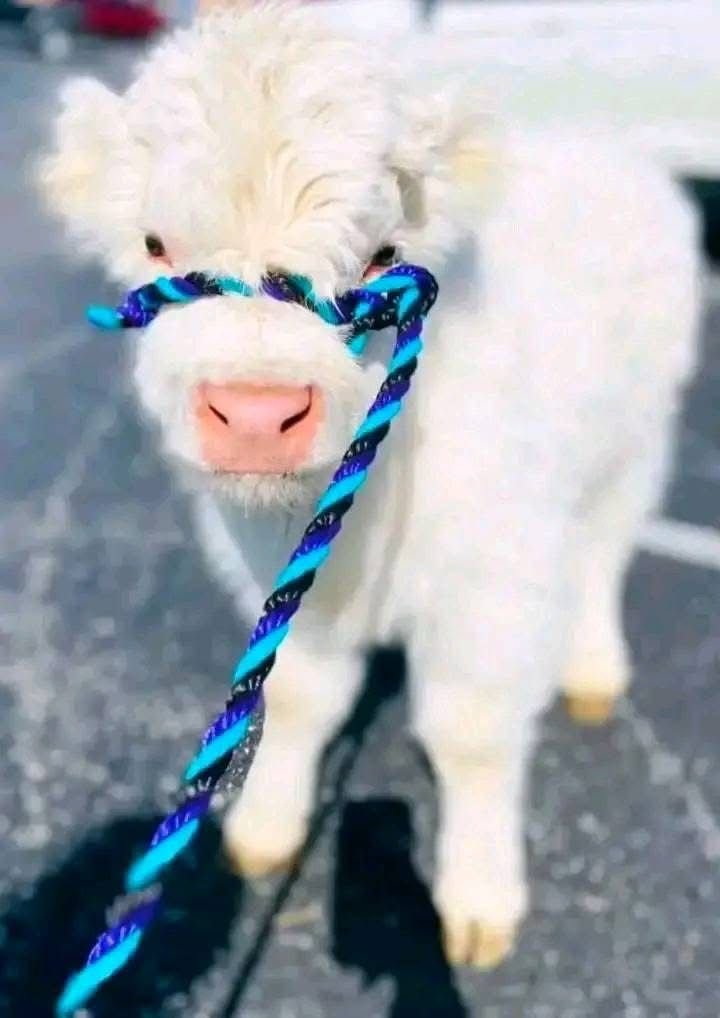
A young calf can look very small and adorable. However, it will continue growing.
Before purchasing, consider:
- Available pasture
- Fencing
- Shelter
- Water access
- Feeding areas
- Handling facilities
- Gates
- Trailer or transportation requirements
- Future mature size
A buyer with a small property may have very different requirements from someone managing a large farm.
[How to Prepare Your Property for a Mini Highland Cow] explains the major property considerations you should address before bringing cattle home.
The goal should be to choose an animal that fits your property—not simply the smallest animal you can find.
Mini Highland vs Micro Mini: Does Smaller Always Mean Better?
Not necessarily.
Many buyers are attracted to smaller cattle because they believe smaller automatically means easier ownership.
Size is only one factor.
Temperament, health, structure, handling, genetics, and overall suitability are equally important.
A healthy, well-structured animal that fits your property can be a better choice than an unusually small animal with questionable breeding or poor structure.
When comparing Mini Highland vs Micro Mini cattle, don’t allow the smallest advertised measurement to become the only deciding factor.
Look at the complete picture.
How Do Genetics Affect Mini Highland Size?
Genetics play a major role in cattle development. An animal’s parents, family history, breeding decisions, nutrition, health, and management can all influence how it develops. For that reason, experienced buyers should ask about the sire and dam rather than relying only on the calf’s current appearance.
University of Minnesota Extension — Beef Cattle Genetics: https://extension.umn.edu/agriculture/animals-and-livestock/beef/beef-cattle-genetics
When selecting cattle, breeders should consider genetics alongside the goals and management system of the operation. If your priority is a smaller Highland, ask the breeder how previous generations developed and what information supports the expected mature size.
Can You Tell the Difference by Looking at a Calf?
Not reliably.
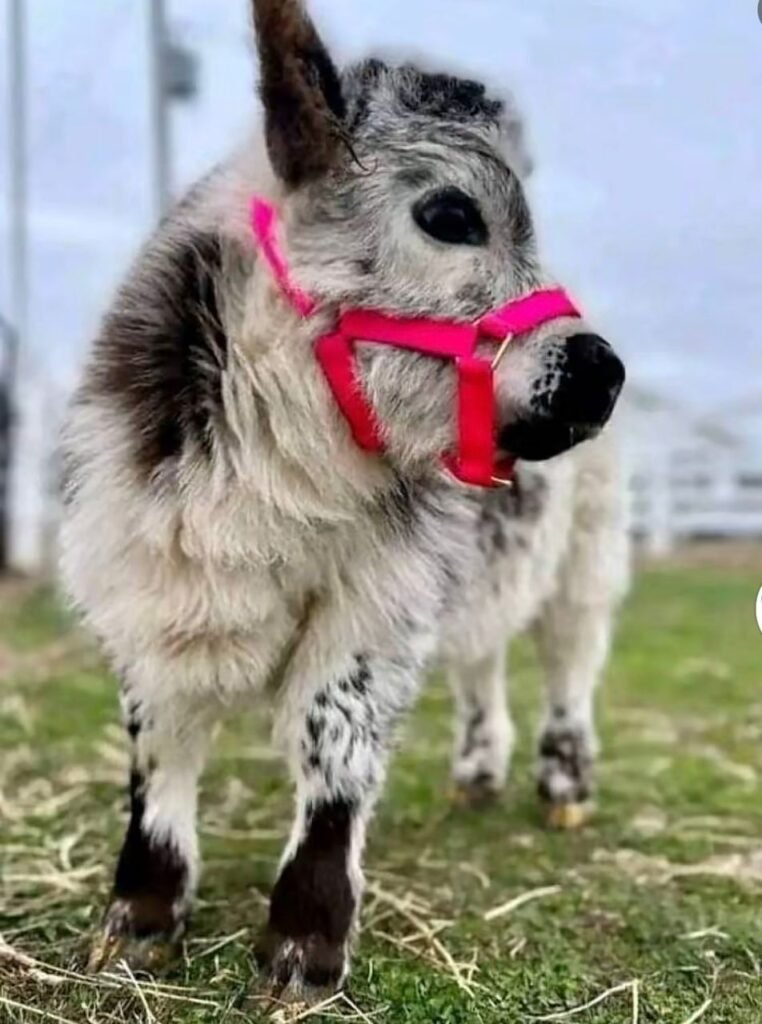
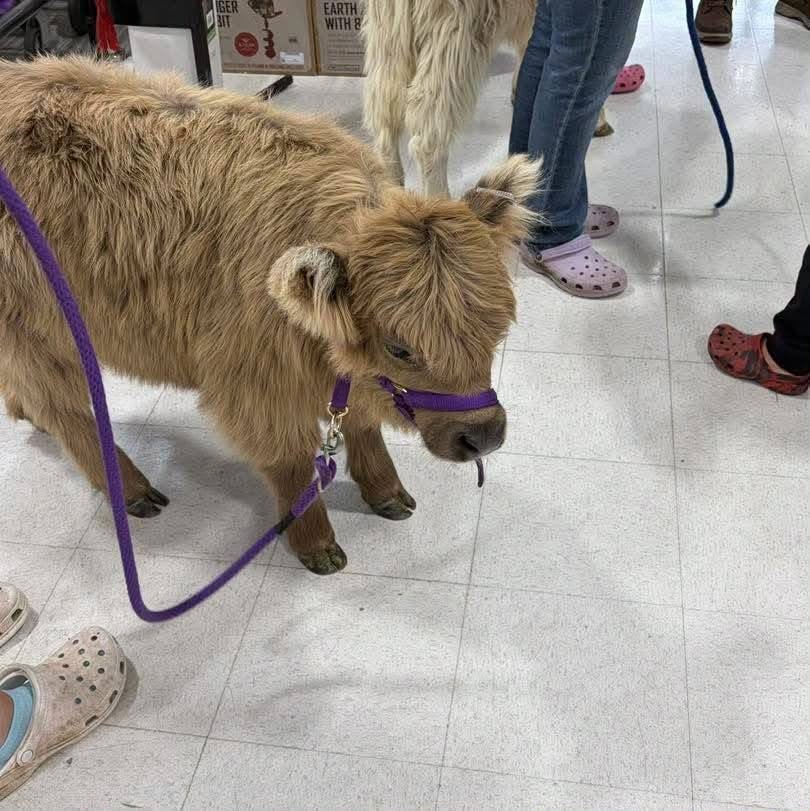
Two young Highland calves can look dramatically different in size and body type while still having significant growth ahead of them.
Photographs can also be misleading because camera angle, distance, terrain, and the size of nearby objects can affect how large or small an animal appears.
Instead of asking only, “How small is this calf?” ask:
“How is this animal expected to develop as an adult?”
A responsible breeder should be able to discuss the animal’s background and provide information that helps you make an informed decision.
. Does Mini or Micro Mini Mean the Animal Needs Less Care?
No.
A smaller Highland still requires proper nutrition, clean water, appropriate fencing, shelter, routine health care, hoof care, parasite management, and responsible handling.
Miniature size does not eliminate normal livestock responsibilities.
Highland cattle are hardy animals, but hardy does not mean maintenance-free.
Your animal still depends on you for a safe environment and appropriate daily care.
[Mini Highland Cattle Care Guide] covers important areas of routine care and management.
What About Temperament?
Temperament should be considered separately from size.
A very small animal is not automatically calmer, friendlier, or easier to handle.
Likewise, a larger Highland is not automatically difficult or aggressive.
Individual personality, early handling, environment, and management all matter.
When evaluating an animal, ask how it behaves during routine handling.
Does it calmly accept people?
Is it accustomed to regular care?
How does it respond to haltering?
How does it behave around other cattle?
These questions can provide more useful information than a “micro” or “mini” label.
. Are Mini and Micro Mini Highlands Good for Families?
They can be a wonderful addition to a family farm when the animals are properly managed and the family understands livestock safety.
However, children should always have appropriate adult supervision around cattle.
Families should also understand that even a smaller animal is still livestock. Cattle are strong, powerful animals that deserve respect.
Before purchasing, consider the animal’s temperament and handling history as well as its size.
[Are Mini Highland Cows Good for Beginners?] offers additional guidance for people considering Highland cattle for the first time.
. What Should You Ask a Breeder About a Micro Mini?
If an animal is advertised specifically as a Micro Mini Highland, ask detailed questions.
For example:
- What does “Micro Mini” mean according to your breeding program?
- What are the sire and dam’s mature heights?
- What are their mature weights?
- How old are the parents?
- What is the calf’s current height?
- What is the calf’s current age?
- Are measurements documented?
- What is known about previous generations?
- Are there health records?
- Has the animal received routine handling?
- What health guarantee is provided?
- Is registration or pedigree information available?
- What is included with the purchase?
- Is delivery available?
The answers can help you distinguish between a meaningful breeding claim and a marketing description.
🟢 [How to Find a Reputable Mini Highland Cow Breeder] explains additional questions buyers should ask before purchasing.
. Be Careful With Guaranteed Adult Size Claims
One of the biggest mistakes a buyer can make is treating an advertised adult size as an absolute guarantee.
Cattle are living animals, and development can vary.
A responsible breeder can provide an informed estimate based on genetics and previous development, but buyers should be cautious about claims that sound too precise or unrealistic.
For example, don’t purchase an animal solely because an advertisement promises that it will remain at an exceptionally small size.
Ask what evidence supports the claim.
Look at the parents.
Review the breeding background.
Consider the animal’s current development.
Then make your decision based on the complete picture.
Does Color Matter When Comparing Mini and Micro Mini Highlands?
Color is one of the reasons Highland cattle are so popular.
Highland cattle are recognized in several colors, including red, yellow, white, brindle, black, dun, and silver.
American Highland Cattle Association — Breed Standard: https://highlandcattleusa.org/ahca-adopts-a-breed-standard/
However, color does not determine whether an animal is a better Mini Highland or Micro Mini Highland.
Choose based on the characteristics that actually matter for your situation.
Health, temperament, structure, breeding background, and suitability should come before color.
If you love a particular color, that can certainly be part of your preference—but it should not replace careful evaluation.
Mini Highland vs Micro Mini: What About Breeding?
Breeding deserves special attention.
If you are purchasing cattle for breeding, you should look beyond size and appearance.
Consider:
- Pedigree
- Structural soundness
- Health
- Reproductive history where applicable
- Genetics
- Temperament
- Expected mature size
- Breeding goals
A smaller animal is not automatically a better breeding animal.
Likewise, breeding for extreme size reduction without considering overall health and soundness can create concerns.
If you are new to breeding cattle, discuss your goals with an experienced breeder and livestock professional before establishing a breeding program.
What Is the Difference Between Mini Highland and Full-Size Highland Cattle?
Traditional Highland cattle have established breed characteristics and mature considerably larger than the small cattle commonly marketed under miniature terminology.
The American Highland Cattle Association describes mature Highland cows and bulls with substantially different typical weights.
American Highland Cattle Association — The Breed: https://highlandcattleusa.org/breed-resources/the-breed/
However, you should not use standard Highland mature weights as a guaranteed prediction for any individual animal marketed as a Mini Highland.
The important point is that miniature terminology should be investigated rather than assumed.
Should You Choose a Mini Highland or Micro Mini Highland?
The answer depends on your goals.
A Mini Highland may be a better fit if you want a smaller Highland but still want to focus on balanced development, temperament, health, and suitability.
A Micro Mini may appeal to buyers specifically seeking cattle marketed toward the smaller end of the miniature market.
However, the label itself should never be the entire reason you purchase.
Instead, compare the individual animals and ask for reliable information about their development and breeding background.
The best choice is the animal that fits your property, experience, budget, and long-term plans.
What Matters More Than the “Mini” Label?
The word “mini” can attract attention, but responsible ownership starts with the animal itself.
Before buying, prioritize:
Health: Is the animal healthy and receiving appropriate care?
Temperament: Is it calm and accustomed to handling?
Structure: Does the animal appear sound and well developed?
Genetics: Do you understand its breeding background?
Expected size: Is there reasonable information about how it may mature?
Management: Can your property support the animal?
Breeder transparency: Does the breeder answer questions honestly?
These factors provide a much stronger foundation for a purchase than a catchy size label.
Choosing Mini Highland Cattle at Willow Creek Mini Highlands
At Willow Creek Mini Highlands, we understand that buyers want to know what they are actually purchasing.
When you are comparing Mini Highland cattle, we encourage you to look at the individual animal rather than choosing solely from a label.
Our available cattle can vary by age, sex, color, temperament, and development. Therefore, availability changes over time.
If you are looking for a particular type of Mini Highland, contact us and tell us what you are looking for.
We can discuss available cattle, your property, your goals, and delivery options.
[Mini Highland Cattle for Sale] — Browse available cattle.
[About Willow Creek Mini Highlands] — Learn more about our farm. [Shipping & Reservations] — Learn about reserving cattle and delivery. [Contact Willow Creek Mini Highlands] — Contact us about available Mini Highlands.
Final Thoughts: Mini Highland vs Micro Mini
The biggest difference between Mini Highland vs Micro Mini cattle is not always a simple measurement.
The terminology can vary between breeders and sellers, which is why buyers should ask questions and verify the information behind the label.
Don’t choose an animal simply because it is advertised as “micro” or “mini.”
Instead, consider the animal’s health, temperament, structure, genetics, parents, current development, expected mature size, and suitability for your property.
A responsible purchase begins with good questions.
When you understand what you are buying, you can make a much more confident decision and choose a Highland that fits your goals for years to come.
[View Mini Highland Cattle for Sale] or [Contact Willow Creek Mini Highlands] to learn more about available cattle.