Choosing your next Mini Highland is an exciting decision, but one important question often comes up: Should you choose a bull or a heifer? The right answer depends on your goals, property, experience, handling plans, and whether you intend to breed.
A Mini Highland heifer may be a great choice for families looking for a manageable female, especially when breeding is part of their long-term plan. A Mini Highland bull, however, can be an excellent choice for experienced owners who understand the additional safety considerations that come with keeping an intact male.
Before choosing, it is important to look beyond sex alone. Temperament, age, handling history, structure, health, genetics, and your intended use should all play a role.
[Mini Highland Cattle Buyer’s Guide] can help you understand the other factors worth considering before bringing cattle home.
What Is the Difference Between a Bull and a Heifer?
The basic difference is sex and reproductive status.
A bull is an intact male cattle. A heifer is a young female that has not yet had a calf. These differences become increasingly important as cattle mature.
For buyers interested in Mini Highlands, the choice should not simply be based on whether one sex is supposedly “better.” Instead, consider what you want from your animal.
A buyer interested in future breeding may prefer a heifer or bull with appropriate genetics and breeding potential. Someone looking for companion livestock may have very different priorities.
American Highland Cattle Association — The Breed: https://highlandcattleusa.org/breed-resources/the-breed/
The American Highland Cattle Association explains that Highland cattle are a hardy Scottish breed known for their distinctive coats, horns, foraging ability, and generally calm disposition.
Is a Mini Highland Heifer Better for a First-Time Owner?
A Mini Highland heifer can be an appealing option for a first-time cattle owner, but that does not mean every heifer will automatically be easier.
Individual temperament matters.
A well-handled heifer that is accustomed to people may be easier to work with than a poorly handled animal of any sex. Age, socialization, regular care, and previous handling can make a major difference.
If you are new to cattle ownership, look for an animal that has been exposed to routine handling and basic care.
[Are Mini Highland Cows Good for Beginners?] provides additional information for people considering their first Highland cattle.
A responsible breeder should also be willing to explain the animal’s temperament, background, health information, and handling experience.
What Makes a Mini Highland Bull Different?
A Mini Highland bull can be impressive, but an intact male requires serious consideration.
Young bulls can appear calm, friendly, and easygoing. However, behavior can change as a bull matures. Hormones, competition, breeding behavior, and physical strength can make an adult bull significantly more challenging to handle safely.
That does not mean every bull is aggressive. It means owners should never assume that a friendly bull will always remain completely predictable.
The University of Minnesota Extension emphasizes that bulls require careful handling and safety planning, even when they appear calm.
University of Minnesota Extension — Handling Bulls Safely: https://extension.umn.edu/agriculture/animals-and-livestock/livestock-operations/handling-bulls-safely
For that reason, intact bulls are generally better suited to owners who understand livestock safety and have appropriate facilities.
Temperament Matters More Than Sex Alone
One of the biggest mistakes buyers can make is assuming that sex automatically determines personality.
It does not.
Two heifers can have completely different personalities. The same is true for two bulls.
When evaluating a Mini Highland, pay attention to how the animal responds to people, routine handling, new surroundings, feeding, grooming, and movement.
A calm animal that has been handled regularly can be a better match than an animal chosen simply because of its sex or color.
Ask the breeder questions such as:
- Does the animal lead or halter?
- Is it accustomed to regular care and handling?
- How does it behave around people?
- Has it been exposed to other cattle?
- How does it respond during routine health care?
- What is its general temperament?
These questions can tell you much more than a photograph.
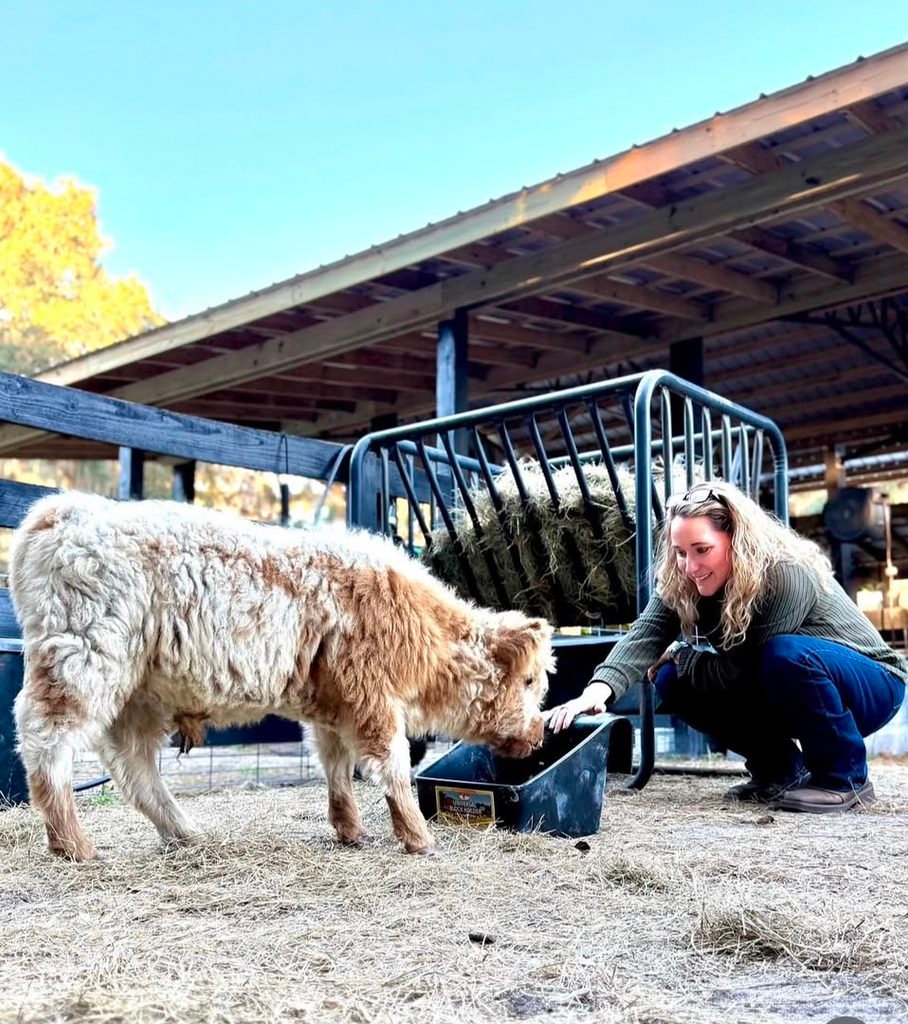
Consider What You Want the Animal to Do
Your goals should influence your decision.
Are you looking for:
- A family companion?
- A pasture animal?
- A future breeding animal?
- A pair of Mini Highlands?
- A calm addition to an existing herd?
- A Mini Highland for a small farm or hobby property?
A buyer interested in breeding will need to evaluate genetics and reproductive potential carefully.
A buyer who simply wants cattle for companionship may place more emphasis on temperament, handling, age, and compatibility.
How to Find a Reputable Mini Highland Cow Breeder[How to Find a Reputable Mini Highland Cow Breeder] can help you understand what to look for when evaluating a breeder and an individual animal.
University of Minnesota Extension — Beef Cattle Genetics: https://extension.umn.edu/agriculture/animals-and-livestock/beef/beef-cattle-genetics
Genetics matter because cattle should be selected according to the goals and management system of the owner rather than one attractive characteristic alone.
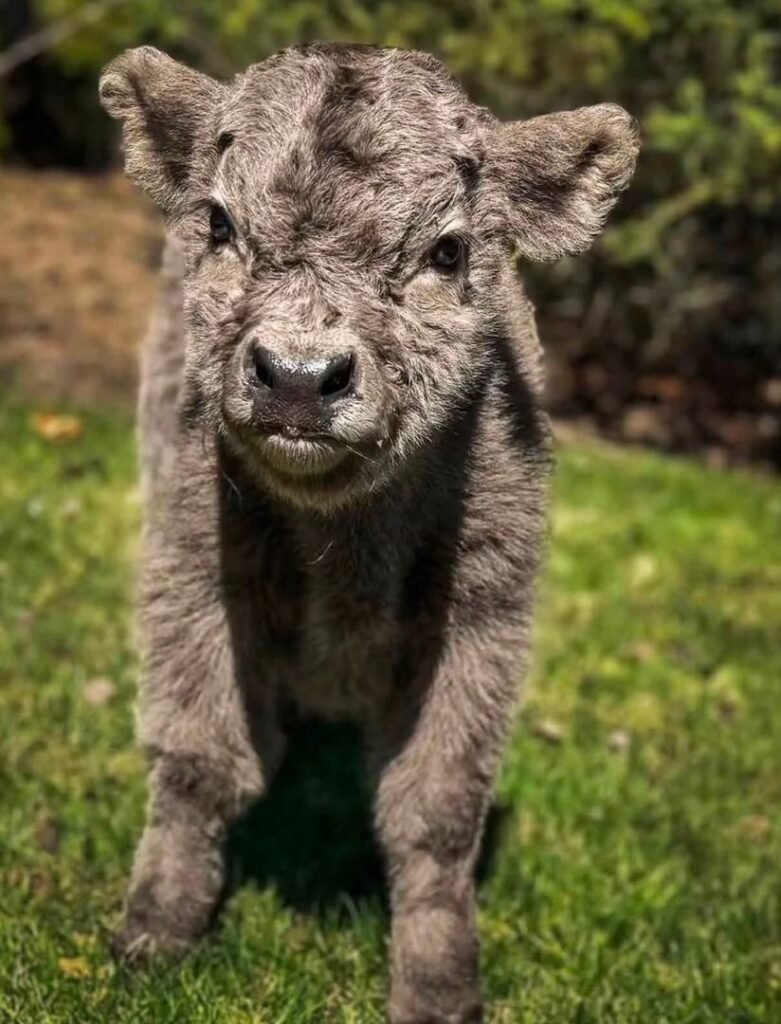
A Mini Highland Heifer May Be the Better Choice for Some Buyers
For many buyers, a Mini Highland heifer can be an attractive option because of her potential long-term role in a breeding program or small herd.
However, breeding should never be the only reason to purchase a heifer.
If you are not planning to breed, you should still evaluate her based on health, temperament, structure, handling history, and compatibility with your property.
A young female may also fit well into a pair or small group, depending on the animals involved and your management setup.
Remember that future adult size and development can vary. “Mini Highland” is not a universal guarantee of one specific mature size, so ask the breeder about the animal’s parents, expected development, and breeding background.
When a Mini Highland Bull May Make Sense
There are situations where a Mini Highland bull can make sense.
Experienced cattle owners who have appropriate fencing, handling facilities, and a genuine breeding plan may consider an intact male.
However, breeding should be approached carefully.
A bull adds additional management responsibilities. Owners need to think about secure fencing, safe handling areas, separation when necessary, and what will happen when the bull reaches maturity.
For someone purchasing a first Mini Highland simply as a family companion, an intact bull may not be the most straightforward choice.
The decision should be based on the owner’s experience and intended use rather than the appearance of the calf alone.
What About a Steer?
There is another option worth discussing: the steer.
A steer is a castrated male. If breeding is not part of your plans, a steer can sometimes be an excellent choice because you avoid the reproductive management associated with an intact bull.
This can be especially relevant for buyers looking for companion livestock rather than breeding stock.
When comparing a heifer, bull, and steer, think about your long-term goals rather than only the animal’s current age or appearance.
The best animal is the one that fits your plans.
Think About Size as the Animal Matures
Don’t choose a Mini Highland based only on its size as a young calf.
Growth continues as the animal matures, and individual cattle can vary considerably.
Standard Highland cattle themselves have established breed characteristics and mature differently from young calves. The American Highland Cattle Association notes that mature Highland cows and bulls can reach substantially different weights.
American Highland Cattle Association — Breed Standard: https://highlandcattleusa.org/ahca-adopts-a-breed-standard/
For Mini Highland buyers, it is therefore important to ask the breeder about the parents and the animal’s breeding background.
If property size is limited, understanding expected mature development is particularly important.
[How to Prepare Your Property for a Mini Highland Cow] can help you think through fencing, pasture, shelter, water, gates, and other property requirements before bringing cattle home.
Think About Your Property Before Choosing
Your property should also influence whether a bull, heifer, or steer is right for you.
Consider:
- How much usable pasture do you have?
- Is your fencing secure?
- Do you have safe gates?
- Is there reliable water?
- Do you have shelter and shade?
- Do you have a safe area for handling cattle?
- Can you separate animals when necessary?
These questions become even more important when keeping an intact bull.
Good livestock management starts before the animal arrives.
Which Is Better for a Family With Children?
Families should take livestock safety seriously regardless of which animal they choose.
Children can enjoy spending time around cattle, but they should always have appropriate adult supervision and should be taught how to behave safely around livestock.
An intact bull deserves particular caution.
University of Minnesota Extension recommends that children should not work with bulls because of the potential safety risks associated with mature intact males.
University of Minnesota Extension — Handling Bulls Safely: https://extension.umn.edu/agriculture/animals-and-livestock/livestock-operations/handling-bulls-safely
For a family environment, discuss your household setup with the breeder before choosing an animal.
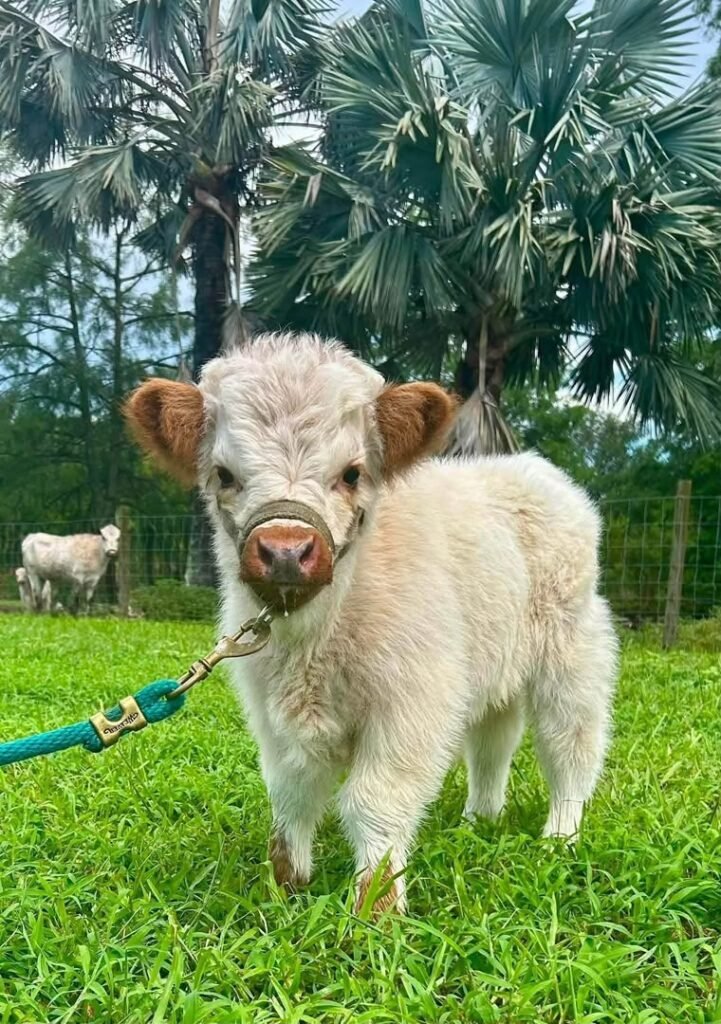
What Should You Ask the Breeder?
Before purchasing, ask specific questions instead of relying only on photographs.
Consider asking:
- What is the animal’s age?
- Is it a bull, heifer, or steer?
- What are the parents like?
- What is its handling history?
- Has it received routine veterinary care?
- What is its temperament?
- What are the animal’s current measurements?
- What can you expect as it matures?
- Is registration or pedigree documentation available?
- What health guarantee is included?
- What delivery options are available?
A reputable breeder should be willing to communicate clearly about the animal.
[Health Guarantee] explains the health protection offered by Willow Creek Mini Highlands.
[Shipping & Reservations] provides information about the reservation and delivery process.
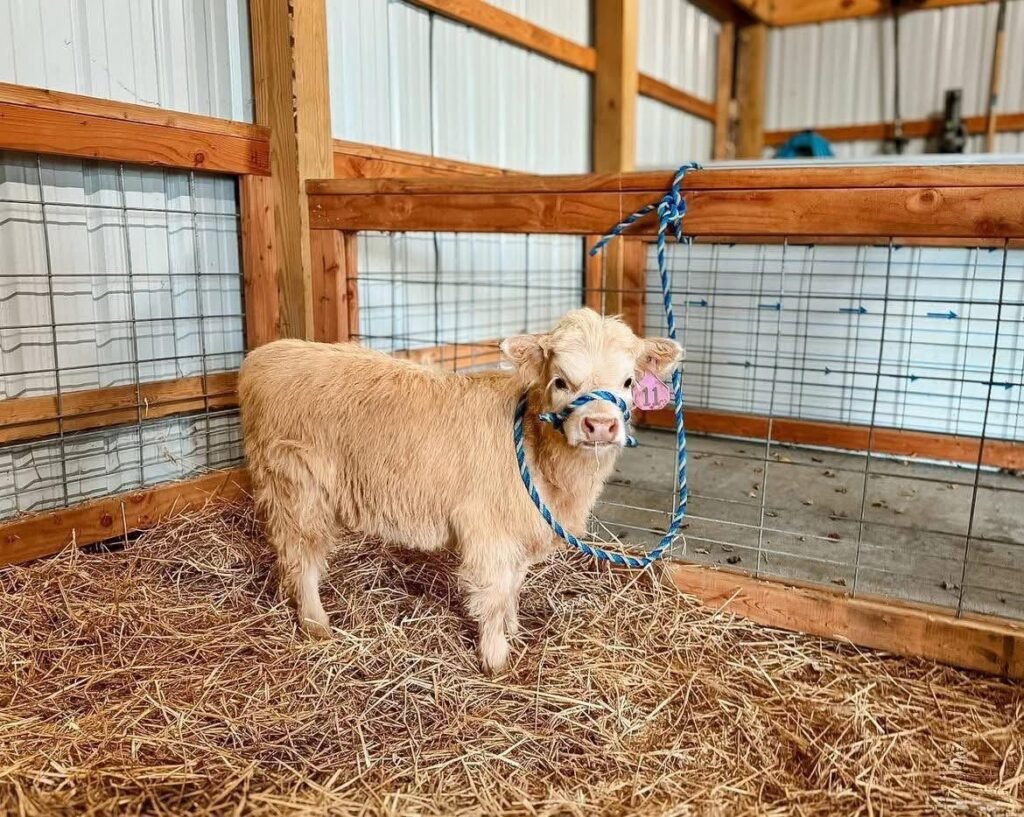
Don’t Choose Based on Color Alone
Highland cattle are famous for their beautiful coats, and color can certainly be part of the appeal.
However, color should not be the deciding factor.
Highland cattle can be found in several recognized colors, including red, yellow, white, brindle, black, dun, and silver.
American Highland Cattle Association — Breed Standard: https://highlandcattleusa.org/ahca-adopts-a-breed-standard/
When choosing between a bull and a heifer, prioritize health, temperament, structure, handling, genetics, and compatibility with your goals.
A beautiful coat is a bonus—not a substitute for a good animal.
If You Want Two Mini Highlands, Consider the Pair Carefully
Some buyers decide from the beginning that they want two Mini Highlands.
If that sounds like you, consider compatibility rather than simply choosing two animals you find attractive.
A pair can provide companionship and make a wonderful addition to a farm or hobby property. However, the sex of each animal matters if you do not want an accidental breeding situation.
For example, keeping an intact bull with a heifer creates breeding considerations that should be planned for in advance.
If you want two cattle but do not intend to breed, talk with the breeder about combinations that fit your goals.
[Mini Highland Cattle for Sale] is a good place to view currently available cattle and compare individual animals.
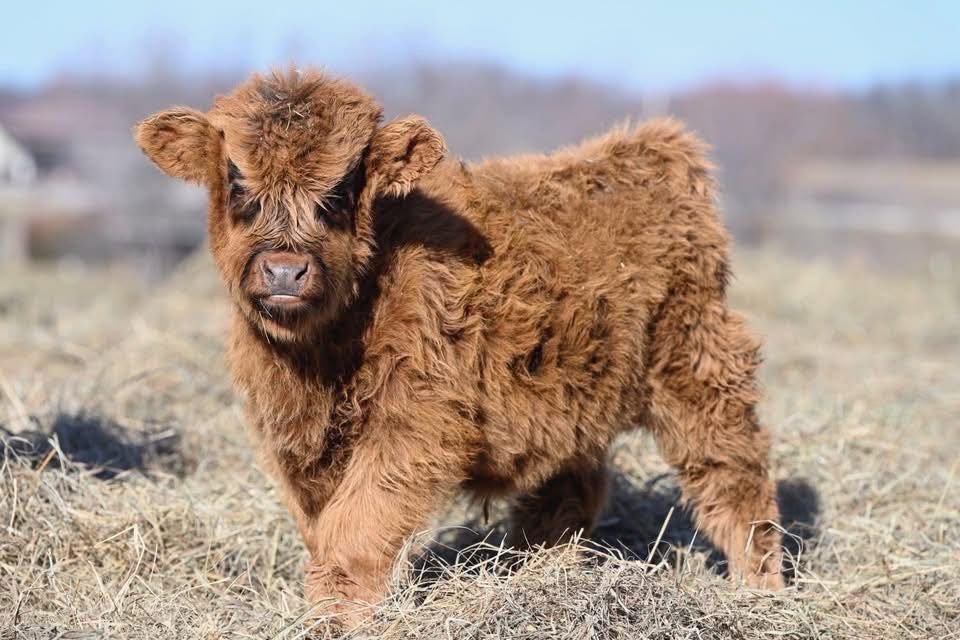
Bull vs. Heifer: Which One Is Right for You?
There is no universal winner in the bull-versus-heifer decision.
A Mini Highland heifer may be a strong choice if you want a female, are considering future breeding, or simply find an individual heifer that matches your goals and temperament preferences.
A Mini Highland bull may be appropriate for an experienced owner with a legitimate breeding plan and the facilities needed to manage an intact male safely.
A steer may be another option when breeding is not part of the plan.
The most important question is not simply, “Which sex is better?”
Instead, ask:
Which individual animal is the best match for my goals, property, experience, and long-term plans
The Individual Animal Still Matters Most
Sex is only one part of the decision.
A well-handled animal with a suitable temperament, good health, appropriate structure, and a trustworthy breeding background can be a much better choice than an animal selected solely because it is a bull or heifer.
Take your time.
Ask questions.
Review the available information.
And choose an animal you can responsibly care for throughout its life.
That is the foundation of a successful Mini Highland ownership experience.
Choosing Your Next Mini Highland at Willow Creek Mini Highlands
At Willow Creek Mini Highlands, we understand that every buyer has different goals.
Some families are looking for a friendly Mini Highland calf. Others are interested in a pair. Some buyers are planning a small breeding program, while others simply want beautiful cattle to enjoy on their property.
We focus on matching buyers with individual animals based on temperament, handling, availability, and the buyer’s goals.
Our available cattle can change, so the best way to find the right match is to review our current listings and contact us with your questions.
[About Willow Creek Mini Highlands] — Learn more about our farm and our approach to raising and placing Mini Highlands.
[Mini Highland Cattle for Sale] — View available Mini Highland cattle.
[Contact Willow Creek Mini Highlands] — Contact us about availability, reservations, questions, and delivery.
Final Thoughts
Choosing between a Mini Highland bull and heifer should be a thoughtful decision rather than a quick choice based on appearance.
Consider your property, experience, family, long-term goals, breeding plans, handling capabilities, and the individual animal’s temperament.
For some buyers, a Mini Highland heifer will be the right fit. For others, a bull or steer may make more sense.
The best choice is the animal that fits your situation and that you can confidently care for throughout its life.
At Willow Creek Mini Highlands, we’re happy to help buyers understand their options and find a Mini Highland that fits their goals.
[View Mini Highland Cattle for Sale] or Contact Willow Creek Mini Highlands] to learn more about available cattle, reservations, and delivery.