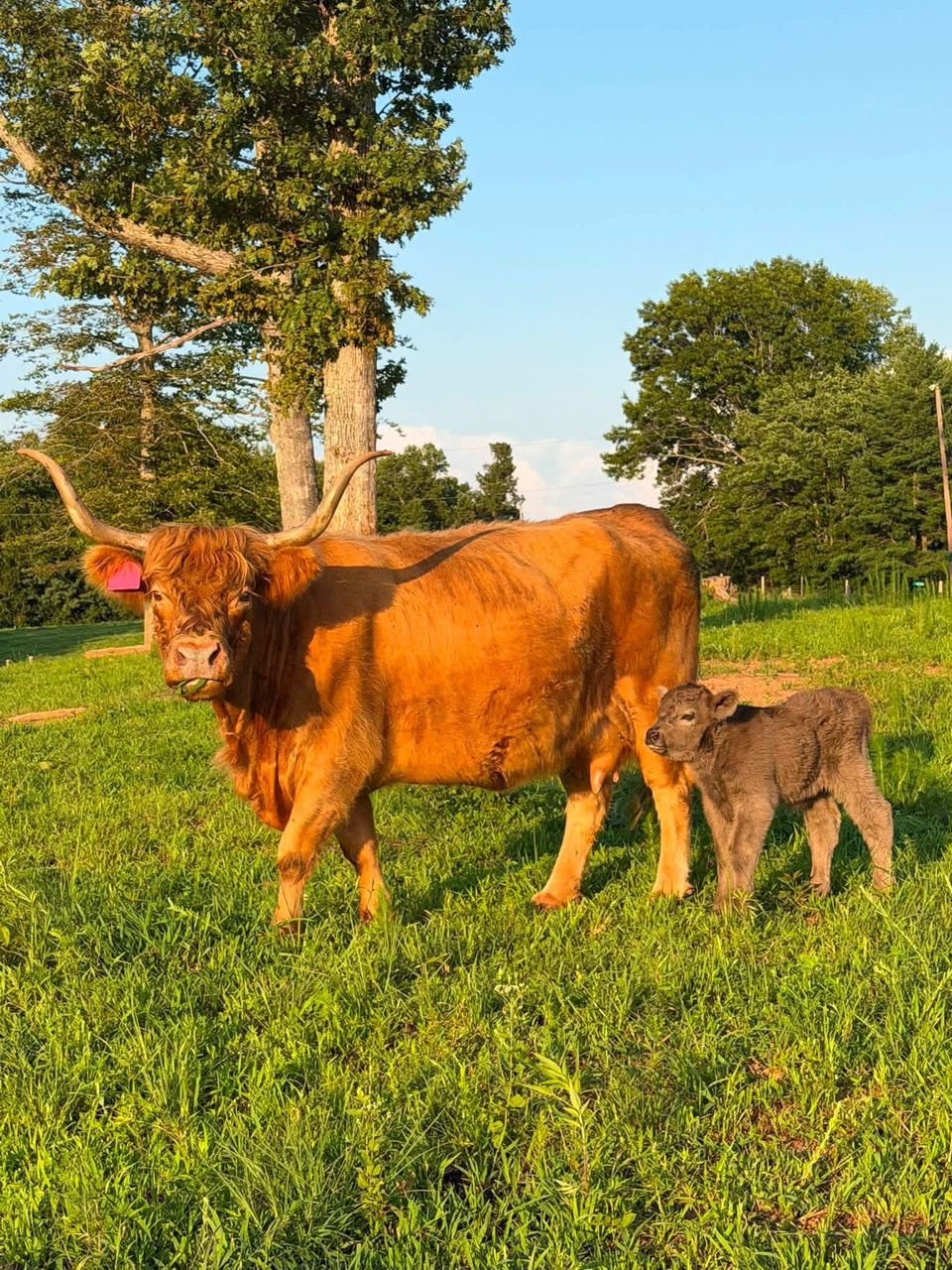
How much land does a Mini Highland cow need? This is an important question to consider before bringing a Mini Highland cow to your property. Although Mini Highland cattle are smaller than standard cattle, they are still livestock and require adequate space for grazing, movement, shelter, fencing, and proper care. Therefore, understanding your animal’s land requirements can help you prepare a safe and comfortable environment while avoiding overcrowding and unnecessary expenses.
A smaller property can sometimes work when it is well managed and additional forage is provided. A larger property may not be enough if the pasture is poor or heavily overgrazed.
The goal is not simply to provide a certain number of acres. The goal is to provide enough forage, water, shelter and safe space for your cattle throughout the year.
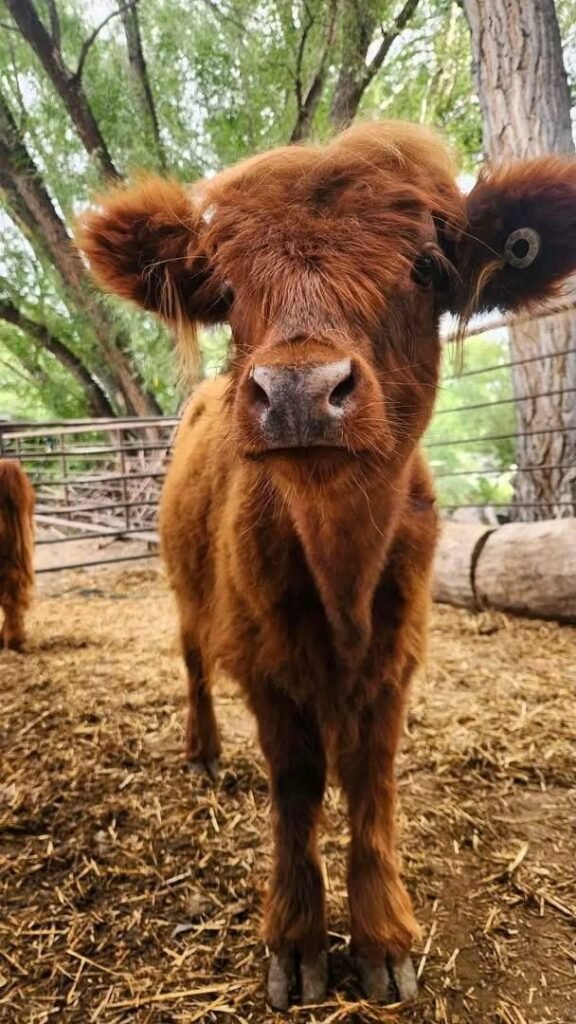
How Much Land Does a Mini Highland Cow Need?
The best answer is: it depends on the productivity of your land and your feeding system.
Mini Highland cattle are smaller than standard cattle, but they still have the nutritional and management needs of cattle.
Before deciding whether your property is suitable, consider:
- Pasture quality
- Pasture growth throughout the year
- Local climate
- Rainfall
- Soil fertility
- Number of cattle
- Hay availability
- Water access
- Shelter
- Fencing
- Grazing management
Cattle nutritional needs change with factors such as age, body weight, climate, growth, pregnancy and production stage. Penn State Extension explains the importance of matching forage quality and quantity to cattle nutritional needs. Penn State Extension — Beef Cattle Nutrition and Feeding
This is why acreage should be treated as a management question, rather than a simple one-number rule.
Understanding How Much Land Does a Mini Highland Cow Need?
When planning your property, understanding how much land does a Mini Highland cow need is an important first step. The amount of land required can vary depending on pasture quality, climate, soil, rainfall, and how well the land is managed. Therefore, there is no single acreage number that works for every farm.
Before purchasing, consider how much land does a Mini Highland cow need based on the conditions of your own property. Good-quality pasture may provide more forage than poor or overgrazed land. In addition, you may need extra space for shelters, fencing, feeding stations, and safe movement.
Ultimately, knowing how much land does a Mini Highland cow need can help you make a better decision about the number of animals your property can responsibly support. For more information about the costs involved, see our Mini Highland Cow Cost in 2026.
How Many Mini Highland Cows Can You Keep on One Acre?
Not necessarily.
One advantage of Mini Highland cattle is their smaller size compared with standard cattle. However, smaller cattle still need adequate space to:
- Graze
- Walk
- Rest
- Access water
- Reach shelter
- Move safely around the property
You should also consider how much forage your property can actually produce.
A property with rich, productive pasture may support cattle more effectively than a larger property with poor soil or limited forage.
If your pasture does not produce enough feed, you can supplement the diet with appropriate hay.
Pasture Quality Matters More Than Acreage Alone
When deciding whether your property is suitable for a Mini Highland cow, do not look only at the number of acres.
Look at the quality and quantity of forage those acres produce.
Pasture productivity can change throughout the year because of:
- Rainfall
- Temperature
- Season
- Soil fertility
- Plant maturity
- Grazing pressure
- Pasture management
A healthy pasture can provide valuable nutrition, while an overgrazed pasture may provide very little usable forage.
Oregon State University Extension explains that cattle nutrient requirements vary according to factors including body weight, physiological state and performance level.Oregon State University Extension — Basic Nutrient Requirements of Beef Cattle
How Many Mini Highland Cows Can You Keep on One Acre?
There is no responsible universal answer to this question.
You may see simple claims online suggesting that one cow requires a particular number of acres, but those statements can be misleading without knowing the property’s forage production.
Two properties with the same acreage can have completely different carrying capacities.
One may have:
- Productive pasture
- Good rainfall
- Healthy soil
- Strong grass growth
while another may have:
- Poor forage
- Dry conditions
- Thin soil
- Heavy grazing pressure
Instead of asking only, “How many acres do I have?”, ask:
“How much usable forage can my property produce, and how many cattle can it support?”
If you are unsure, a local agricultural Extension professional can help you evaluate your pasture and grazing plan.
Can Mini Highland Cows Live on Grass Alone?
Some cattle can obtain much of their nutritional needs from good-quality pasture, but that does not mean grass will always provide everything they need throughout the year.
Pasture growth changes with the seasons.
During periods of:
- Winter
- Drought
- Extreme heat
- Heavy rainfall
- Poor pasture growth
- Overgrazing
you may need to provide additional forage.
For mature cattle, pasture and hay can often provide much of the diet, but nutritional requirements vary according to the individual animal and its stage of production.
How Much Hay Does a Mini Highland Cow Need?
There is no single hay amount that is correct for every Mini Highland cow.
Hay requirements depend on:
- Body weight
- Age
- Hay quality
- Pasture availability
- Growth
- Pregnancy
- Lactation
- Weather
- Overall diet
Good-quality hay can be an important source of forage when pasture is unavailable or insufficient.
If you are uncertain about the quality of your hay, forage testing can help you understand its nutritional value.
Oregon State University Extension explains that forage testing can help determine the nutritional value of hay and other stored forage.Oregon State University Extension — Forage Quality and Testing
Do not wait until your pasture is completely depleted before planning for hay. Having a reliable forage supply available can help you manage seasonal changes more effectively.
Clean Water Is Essential
A suitable property must have a reliable source of clean drinking water.
Water is an essential nutrient for cattle and is involved in digestion, metabolism, temperature regulation and other important body functions.
Water requirements can change with:
- Temperature
- Body weight
- Age
- Diet
- Pregnancy
- Lactation
- Activity
During hot weather, cattle may require substantially more water.
Oregon State University Extension notes that cattle need adequate, accessible supplies of good-quality water and that water requirements change with factors such as temperature, body weight and production stage.Oregon State University Extension — Water Nutrition and Quality for Beef Cattle
When preparing your property, make sure your cattle can access water throughout the year.
Does a Mini Highland Cow Need a Barn?
A full barn is not necessarily required for every Mini Highland cow.
However, your cattle need appropriate protection from severe weather.
Depending on your location, suitable shelter may protect cattle from:
- Heavy rain
- Strong winds
- Extreme heat
- Snow
- Severe weather
Natural shelter may be useful on some properties, while a purpose-built shelter may be more appropriate on others.
The right setup depends on your climate, property and management system.
Fencing for Mini Highland Cattle
Good fencing is essential.
Your fencing should be strong, secure and regularly inspected.
Check for:
- Broken sections
- Loose wires
- Damaged gates
- Dangerous gaps
- Sharp objects
- Areas where cattle could become trapped
A secure fence protects your cattle and helps prevent them from wandering onto roads or neighboring properties.
What About Micro Mini Highland Cows?
Micro Mini Highland cattle are also cattle and require the same basic categories of care:
- Appropriate nutrition
- Adequate forage
- Clean water
- Safe fencing
- Shelter
- Veterinary care
- Sufficient space to move comfortably
Because terms such as “Mini” and “Micro Mini” can be used differently by breeders, do not decide your property’s suitability based on the label alone.
Ask about the animal’s expected mature size and nutritional requirements.
Can You Keep Mini Highland Cows on a Small Property?
A smaller property may be suitable in some situations.
The important question is whether you can provide everything the cattle need.
A smaller property may require more active management, including:
- Supplemental hay
- Pasture rotation
- Pasture improvement
- Regular fence maintenance
- Careful monitoring of grazing
- Reliable water management
- Manure management
You should never overcrowd a property simply because you want to keep more cattle.
Animal welfare and adequate nutrition should always come first.
How to Prepare Your Property Before Your Highland Arrives
Before bringing your Mini Highland cow home, walk the entire property.
. Inspect Your Fencing
Repair damaged fences and make sure gates close securely.
Check Your Water Supply
Make sure clean water is available and that the system works reliably
Evaluate Your Pasture
Look at the amount and quality of available forage.
Prepare Hay
Have an appropriate forage supply available before your cattle arrive.
Prepare Shelter
Provide protection from the weather appropriate to your local climate.
Look for Hazards
Remove dangerous objects and check for potentially harmful plants or substances.
Establish a Veterinary Relationship
Find a livestock veterinarian who can help you establish an appropriate health and management program.
Signs Your Pasture May Not Be Enough
Your cattle can give you clues about whether your feeding and grazing program is working.
Watch for:
- Loss of body condition
- Noticeable weight loss
- Poor appetite
- Constant searching for feed
- Bare pasture
- Excessive grazing pressure
- Slow pasture recovery
These signs do not automatically mean that your property is unsuitable.
They may indicate that your grazing or feeding program needs to be adjusted.
If your animal’s health or body condition changes significantly, contact a veterinarian.
What If You Want Two Mini Highland Cows?
If you are planning to keep a pair, remember that two cattle require more total forage than one.
Do not simply assume that you can place two animals on the same area without changing your management.
Consider:
- Pasture production
- Hay supply
- Water capacity
- Shelter
- Fencing
- Grazing rotation
- Winter feeding
- Veterinary care
If the pasture cannot produce enough forage, supplemental hay may be necessary.
Frequently Asked Questions
How many acres does one Mini Highland cow need?
There is no universal acreage requirement. The appropriate amount depends on pasture productivity, climate, forage availability, management and whether supplemental hay is provided.
Can I keep a Mini Highland cow on one acre?
It may be possible in some situations, but one acre does not automatically provide enough forage for a cow year-round. You need to evaluate the property’s productivity and be prepared to supplement with hay when necessary.
Do Mini Highland cows need grass?
Grass and other suitable forage can form an important part of their diet. When pasture is insufficient, appropriate hay or other forage may be needed.
Do Mini Highland cows need a barn?
Not necessarily a full barn. However, they need suitable protection from severe weather. The appropriate shelter depends on your climate and property.
Can I keep two Mini Highland cows on a small property?
Possibly, but you must evaluate the property’s forage production, water, shelter, fencing and supplemental feeding capacity before adding another animal.
Is pasture quality more important than acreage?
Acreage and pasture quality both matter, but acreage alone does not tell you how many cattle a property can support. Forage production and management are critical.
Final Thoughts
So, how much land does a Mini Highland cow need?
The honest answer is that there is no single acreage number that works for every property.
Your land needs to provide enough forage, water, shelter and safe space, and you need a plan for periods when pasture growth is limited.
A smaller property may work when it is carefully managed and supplemental hay is available. A larger property may still struggle if forage production is poor.
Before bringing your Highland home, prepare the basics first:
Good forage. Clean water. Safe fencing. Appropriate shelter.
If you are still researching the cost of owning a Mini Highland cow, read our Mini Highland Cow Cost Guide.
When you are ready to start looking for your Highland, visit Willow Creek Mini Highlands
Willow Creek Mini Highlands — Helping families prepare for and enjoy life with their Highland cattle.
[…] You can learn more in our How Much Land Does a Mini Highland Cow Need? guide. […]
[…] Therefore, choose an animal based on your ability to provide proper care. Size should be considered, but it should not be the only factor. Mini Highland Cattle Care Guide […]
[…] buying, review our Mini Highland Cattle Buyer’s Guide to learn what to consider when choosing your […]
[…] you are new to cattle ownership, learn more through our [Mini Highland Cattle Care Guide] before bringing an animal […]
[…] Mini Highland Cattle Care Guide […]