Raising a Mini Highland cow can be a rewarding experience for families, hobby farmers, and small homesteads. However, the purchase price is only one part of the total investment. Feed, shelter, fencing, veterinary care, grooming, transportation, and routine maintenance all contribute to the cost of ownership.
Fortunately, careful planning can make Mini Highland ownership more manageable. By preparing your property and creating a realistic budget, you can provide your animal with a safe, comfortable, and healthy home.
This guide explains the main costs of raising a Mini Highland cow and offers practical ways to plan for both expected and unexpected expenses.
How Much Does It Cost to Raise a Mini Highland Cow?
The cost of raising a Mini Highland cow varies according to your location, pasture quality, hay prices, veterinary fees, and available facilities.
For many owners, regular annual expenses may include:
- Feed and hay
- Minerals and supplements
- Veterinary care
- Parasite control
- Hoof care
- Grooming supplies
- Fencing repairs
- Shelter maintenance
- Water
- Transportation
- Emergency treatment
A basic annual budget may range from approximately $1,200 to $2,500 or more per animal. However, this estimate can increase when pasture is limited, hay prices rise, or the animal needs additional medical care.
The first year is usually more expensive because it may also include the purchase price, fencing installation, shelter construction, water equipment, and other setup costs.
The Initial Purchase Price
The first major expense is purchasing your Mini Highland cow. Prices can vary considerably depending on the animal’s:
- Age
- Sex
- Color
- Size
- Pedigree
- Registration status
- Health history
- Temperament
- Training
- Breeding potential
A young calf may cost less than a mature breeding animal. Similarly, registered cattle with desirable genetics may have a higher price.
Nevertheless, choosing the cheapest animal is not always the best financial decision. A healthy animal from a responsible breeder may provide better long-term value than an animal with an unusually low price and limited health information.
Before buying, review our Mini Highland Cattle Buyer’s Guide to learn what to consider when choosing your animal.
Fencing and Property Preparation
Secure fencing is one of the most important expenses when raising cattle. Mini Highland cows may be smaller than standard cattle, but they still need strong, reliable boundaries.
Your fencing costs may include:
- Fence posts
- Woven livestock wire
- Electric fencing
- Gates
- Gate latches
- Corner braces
- Fence chargers
- Replacement wire
- Routine repairs
The total cost depends on the size of your property and whether suitable fencing already exists. If you are starting from the beginning, fencing may become one of your largest first-year expenses.
Therefore, inspect the entire property before your Mini Highland cow arrives. Repair weak sections and make sure every gate closes securely.
Shelter and Housing Costs
Mini Highland cattle are known for their hardy nature and protective double hair coat. Even so, they still need access to shade, dry ground, and protection from extreme weather. The American Highland Cattle Association describes Highland cattle as hardy and adaptable, but suitable shelter and management remain important. [https://highlandcattleusa.org/breed-resources/the-breed/]
A shelter may include:
- A three-sided field shelter
- A dry resting area
- A shaded section
- Good drainage
- Safe gates
- Adequate ventilation
- Protection from heavy rain and strong winds
A permanent barn may cost more than a simple field shelter. However, a well-built and properly maintained shelter can meet the needs of many Mini Highland cattle.
Avoid creating a closed space with poor airflow. Good ventilation helps reduce moisture and supports a healthier environment.
Feed and Hay Expenses
Feed is usually one of the largest ongoing costs of raising a Mini Highland cow. Productive pasture can reduce hay expenses, but pasture may not provide enough nutrition during winter, drought, or periods of poor grass growth.
Your feeding budget may include:
- Pasture
- Hay
- Salt
- Mineral supplements
- Additional feed
- Hay feeders
- Feed storage
- Water containers
Hay prices vary by region and season. Therefore, it is wise to identify a reliable hay supplier before purchasing cattle.
Mini Highland cows still require balanced nutrition, even though they are smaller than standard cattle. Their needs may change according to age, body condition, pregnancy, growth, and activity level.
For more information about daily care, visit our Mini Highland Cattle Care Guide.
Minerals and Supplements
Pasture and hay do not always provide every nutrient an animal needs. Depending on local soil conditions and forage quality, your Mini Highland cow may require an appropriate cattle mineral supplement.
Common supplies may include:
- Loose cattle minerals
- Salt
- Mineral feeders
- Protein supplements
- Special feed for calves
- Additional nutrition for pregnant cows
However, supplements should not be provided randomly. Ask a livestock veterinarian or animal nutrition professional which products are suitable for your animal.
Although minerals may represent a smaller expense than hay, they remain an important part of responsible cattle care.
Veterinary and Health Care
Routine veterinary care helps protect your Mini Highland cow and may reduce the risk of serious health problems. Your veterinary budget may include:
- Health examinations
- Vaccinations
- Parasite control
- Diagnostic testing
- Medication
- Pregnancy care
- Calf care
- Emergency treatment
- Health certificates
Veterinary costs vary by location and by the animal’s condition. Routine care may be predictable, but emergencies can become expensive quickly.
For this reason, maintain an emergency fund in addition to your normal annual budget. Preventive care is also important because identifying a problem early may reduce the need for more expensive treatment later.
Grooming and Hoof Care
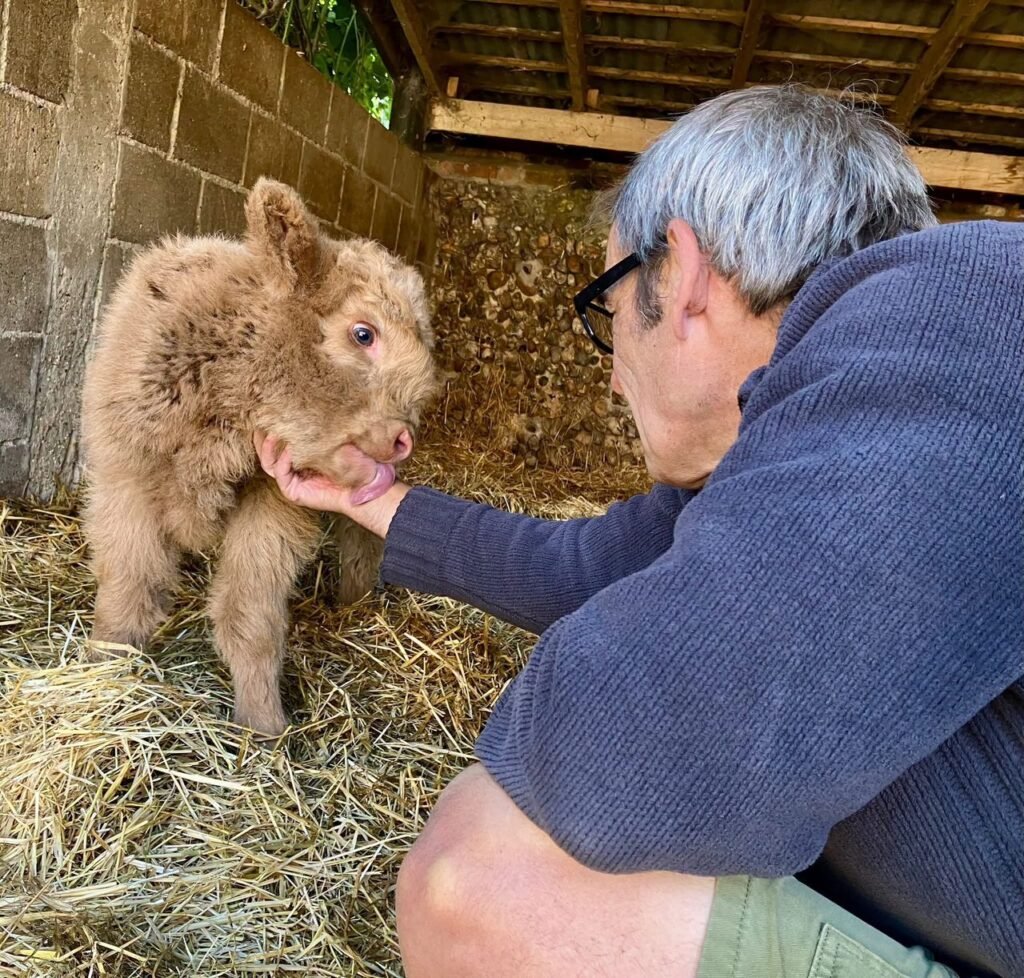
Mini Highland cattle have thick, flowing coats that benefit from regular observation and occasional grooming. Brushing can remove loose hair, dirt, and debris. It also gives you an opportunity to check the animal’s skin for irritation, wounds, or parasites.
Grooming expenses may include:
- Brushes
- Coat-cleaning supplies
- Hoof-trimming services
- Handling equipment
- Professional assistance
Hoof care is especially important when cattle spend much of their time on soft ground. In some conditions, the hooves may not wear down naturally.
Although some owners learn basic grooming and handling skills, professional assistance may be necessary for hoof trimming or difficult animals.
Water and Farm Equipment
Fresh, clean water must always be available. Your water system may include:
- Water troughs
- Hoses
- Automatic waterers
- Water tanks
- Plumbing
- Cleaning supplies
- Winter protection in cold climates
You may also need basic equipment, such as:
- Feed buckets
- Hay feeders
- Halters
- Lead ropes
- Grooming brushes
- First-aid supplies
- Handling panels
- Cleaning tools
These items may seem inexpensive individually. Nevertheless, the total cost can become significant during the first year.
Transportation and Delivery Costs
Transportation costs depend on the distance between the farm and your property. They may also vary according to fuel prices, trailer type, permits, and the number of animals being transported.
Before arranging delivery, ask for a clear estimate that includes:
- Pickup location
- Delivery location
- Travel distance
- Transportation fee
- Health documentation
- Required permits
- Delivery schedule
- Additional charges
If your Mini Highland cow will cross state lines, review the applicable livestock movement requirements before transportation.
[https://direct.aphis.usda.gov/nvap/reference-guide/animal-movement/interstate]
The USDA Animal and Plant Health Inspection Service provides guidance concerning interstate movement requirements for cattle and other livestock. Some movements may require official identification, health documents, or a Certificate of Veterinary Inspection, depending on the circumstances. [https://www.aphis.usda.gov/nvap/reference-guide/animal-movement/interstate-regulations]
You can also review our Shipping & Reservations page before arranging delivery.
Land and Pasture Costs
Land costs vary according to location, soil quality, water access, fencing, and local demand. Some owners already have suitable pasture, while others may need to lease land or use a boarding facility.
If you lease pasture, include these expenses in your budget:
- Monthly pasture rent
- Water access
- Fence maintenance
- Shelter access
- Hay storage
- Additional feed
- Transportation
- Pasture improvements
Before purchasing a Mini Highland cow, confirm that local zoning rules allow livestock on your property. Some residential areas may restrict cattle or require minimum acreage.
Annual Maintenance and Repairs
Fencing, shelters, gates, and water systems require regular maintenance. Even a strong setup can develop problems over time.
Annual maintenance may include:
- Replacing broken fence posts
- Repairing gates
- Replacing damaged wire
- Maintaining water systems
- Repairing shelter roofs
- Improving drainage
- Replacing feeders
- Maintaining handling equipment
Setting aside money each month can help prevent unexpected repairs from becoming a major financial burden.
First-Year Costs Versus Ongoing Costs
The first year is often the most expensive because you must purchase the animal and prepare the property.
First-year expenses may include:
- Purchase price
- Fencing installation
- Shelter construction
- Water equipment
- Feed storage
- Handling equipment
- Initial veterinary examination
- Transportation
- Hay and minerals
After the property is prepared, annual costs may become more predictable. However, owners should still budget for emergencies, repairs, and changes in feed prices.
A realistic first-year budget may range from $5,500 to $15,000 or more, depending on the purchase price and the infrastructure already available. Ongoing care may then cost approximately $1,200 to $2,500 or more per animal each year.
These figures are estimates rather than fixed prices. Your actual expenses may be lower or higher depending on your farm and management practices.
How to Reduce Costs Responsibly
You can manage expenses without reducing the quality of care. Consider these practical strategies.
Prepare Your Property Before Buying
Install fencing, prepare shelter, arrange water, and organize feed storage before the animal arrives. This approach can prevent rushed purchases and emergency construction.
Compare Hay Suppliers
Contact several local suppliers and compare quality, availability, and delivery fees. Buying suitable hay in advance may help you avoid seasonal price increases.
Maintain Fencing Regularly
Small repairs are usually less expensive than replacing an entire fence or recovering an escaped animal.
Schedule Preventive Veterinary Care
Routine examinations and vaccinations can help identify problems early and support better long-term health.
Learn Basic Grooming Skills
Learning safe brushing, handling, and daily health checks may reduce the need for professional assistance.
Keep an Emergency Fund
Unexpected veterinary treatment, damaged fencing, and transportation changes can create sudden expenses. An emergency fund provides additional financial security.
Why Proper Planning Matters
Mini Highland cattle are valued for their distinctive appearance, calm nature, and hardy characteristics. The American Highland Cattle Association identifies the breed as adaptable, long-lived, and capable of performing well in different environments. [https://highlandcattleusa.org/ahca-adopts-a-breed-standard/]
However, Mini Highland cattle are still livestock. They require daily care, proper nutrition, secure fencing, clean water, suitable shelter, and responsible handling.
Their smaller size may make space planning easier than with standard cattle. Nevertheless, it does not eliminate the need for a realistic ownership budget.
At Willow Creek Mini Highlands, we believe that informed buyers are better prepared owners. Our goal is to help families understand both the joy and responsibility of bringing a Mini Highland cow home.
Learn more about our farm through About Willow Creek Mini Highlands.
You can also explore available animals through Mini Highland Cattle for Sale.
Frequently Asked Questions
How much does it cost to feed a Mini Highland cow?
Feed costs depend on pasture quality, hay prices, weather, and the animal’s nutritional needs. Owners who rely heavily on purchased hay may spend more than those with productive pasture.
Are Mini Highland cows expensive to maintain?
Mini Highland cows can be manageable to maintain, but they still require feed, water, veterinary care, fencing, shelter, and grooming. Their smaller size does not mean they are maintenance-free.
Do Mini Highland cows need a barn?
Not always. In many climates, a well-built three-sided shelter with shade, good drainage, and protection from severe weather may be sufficient.
How much should I budget for emergencies?
There is no single amount that works for every farm. However, maintaining a separate emergency fund is strongly recommended because veterinary treatment and major repairs can be costly.
Can I raise only one Mini Highland cow?
Cattle are social herd animals. Before purchasing one, discuss companionship and management options with an experienced breeder or livestock professional.
What is the most important expense?
The most important expense is providing consistent, high-quality care. Feed, clean water, secure fencing, shelter, and veterinary attention should always be prioritized over optional extras.
Final Thoughts
The cost of raising a Mini Highland cow includes much more than the purchase price. Feed, hay, fencing, shelter, veterinary care, grooming, transportation, water, and maintenance all contribute to the total cost of ownership.
However, careful planning can make the experience more manageable. By preparing your property, creating a realistic budget, and choosing a healthy animal from a responsible breeder, you can provide a safe and comfortable home for your Mini Highland cow.
If you are ready to learn more, visit our Mini Highland Cattle Buyer’s Guide or explore our View Mini Highland Cattle for Sale page.
For additional questions, use our Contact Us page.