Mini Highland cow temperament is one of the first things buyers should understand before bringing one of these distinctive cattle home. Highland cattle are widely described as calm and docile, but every animal has its own personality. Age, handling, environment, experience, and daily interactions can all affect behavior.
At Willow Creek Mini Highlands, we believe buyers should understand an animal’s temperament before making a purchase. A friendly-looking calf may still need proper handling, secure fencing, good boundaries, and consistent care. Therefore, learning how cattle behave can help you choose an animal that fits your farm, family, and experience level.
This guide explains what owners should know about Mini Highland behavior, handling, social needs, safety, and everyday interaction.
What Is Mini Highland Cow Temperament Like?
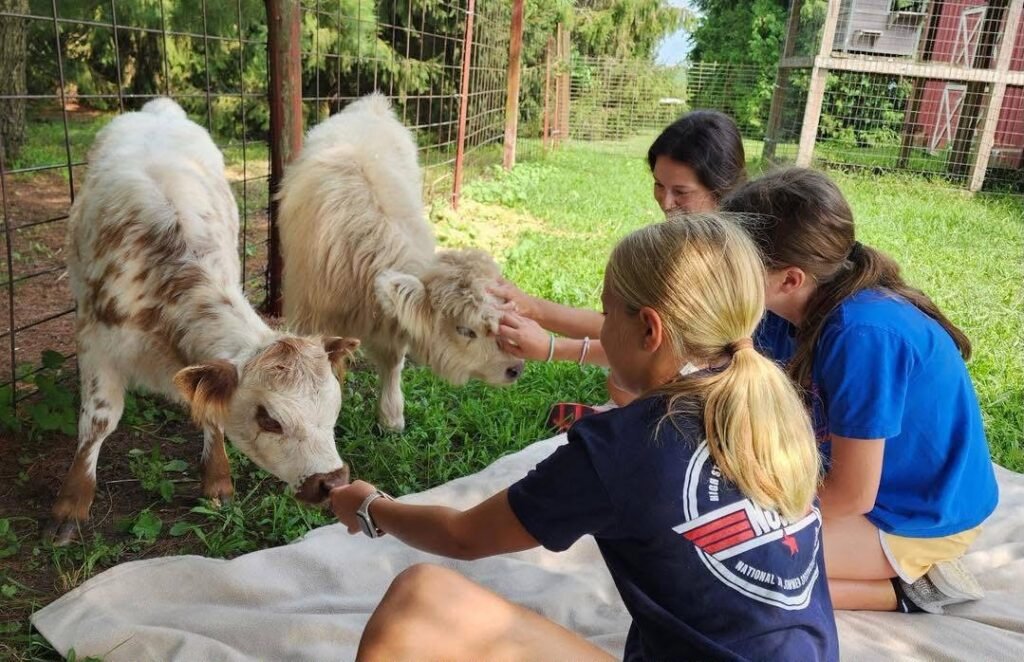
Highland cattle are generally known for being calm and docile. The American Highland Cattle Association describes Highlands as tending to be docile, calm, and relatively easy to work with. 
However, Mini Highland cow temperament should never be judged by breed reputation alone. Individual animals can behave differently.
For example, one calf may approach people quickly, while another may remain cautious. Likewise, an animal that receives regular, gentle handling may respond differently from one that has had little human interaction.
Therefore, ask the breeder about the specific animal rather than assuming every Mini Highland will behave exactly the same way.
Mini Highland Cattle Buyer’s Guide
Are Mini Highland Cows Friendly?
Many well-handled Mini Highland cattle can become comfortable around people. Regular interaction can help an animal learn that humans are not a threat.
However, friendly does not mean completely predictable.
Cattle remain livestock and can react quickly when frightened, excited, injured, or protective. In addition, cows with young calves can become more protective of their offspring.
For that reason, owners should build trust gradually. Calm voices, predictable routines, and gentle handling are better than chasing, shouting, or sudden movements.
Penn State Extension — Working Safely Around Farm Animals
Do Mini Highland Cows Like Being Handled?
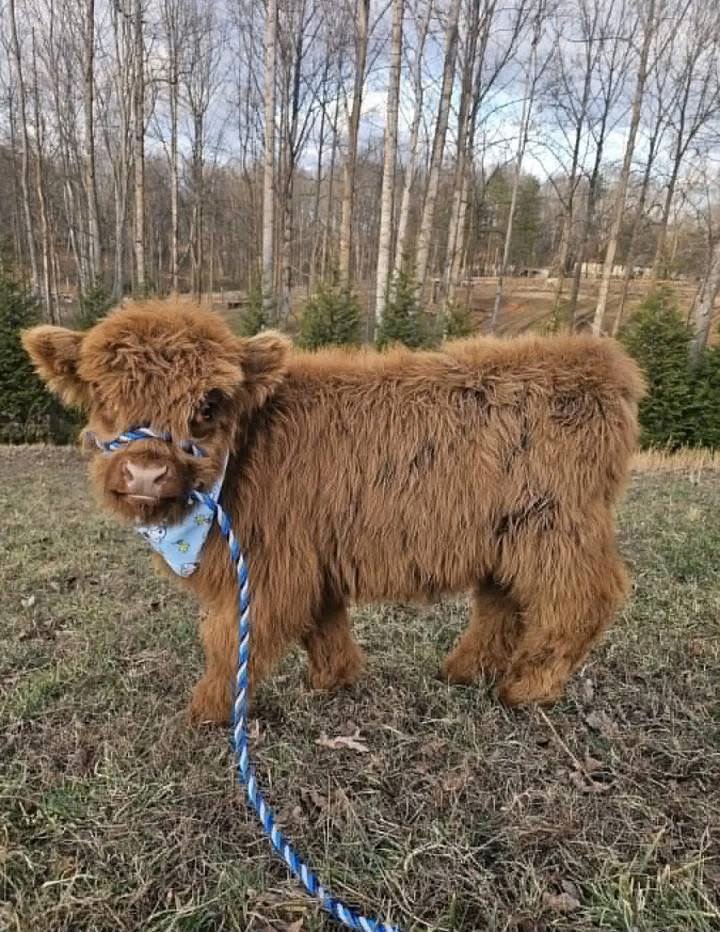
Some Mini Highland cattle enjoy human attention, especially when they have received regular handling from a young age. Others may prefer some personal space.
That difference is important when you are choosing an animal.
Ask the breeder questions such as:
• Has the calf been handled regularly?
• Has it been haltered?
• How does it respond when people approach?
• Does it remain calm around unfamiliar people?
• Has it been transported before?
• How does it behave during routine care?
These answers can tell you more about an individual animal than a photograph can.
Mini Highland Cattle Care Guide
How Does Handling Affect Mini Highland Cow Behavior?
Handling can influence how cattle respond to people. Cattle have a natural flight zone, which is the personal space around an animal that can cause it to move away when a person enters it. The size of that zone can change depending on how tame and familiar the animal is with people. 
Therefore, owners should avoid rushing toward cattle.
Instead, approach calmly and allow the animal to see you. Move slowly, avoid unnecessary noise, and give the animal room to respond.
Penn State Extension also recommends calm handling because loud noises and rough movements can increase stress in cattle. 
How to Prepare Your Farm for a Mini Highland Cow
Are Mini Highland Cows Good Around Children?
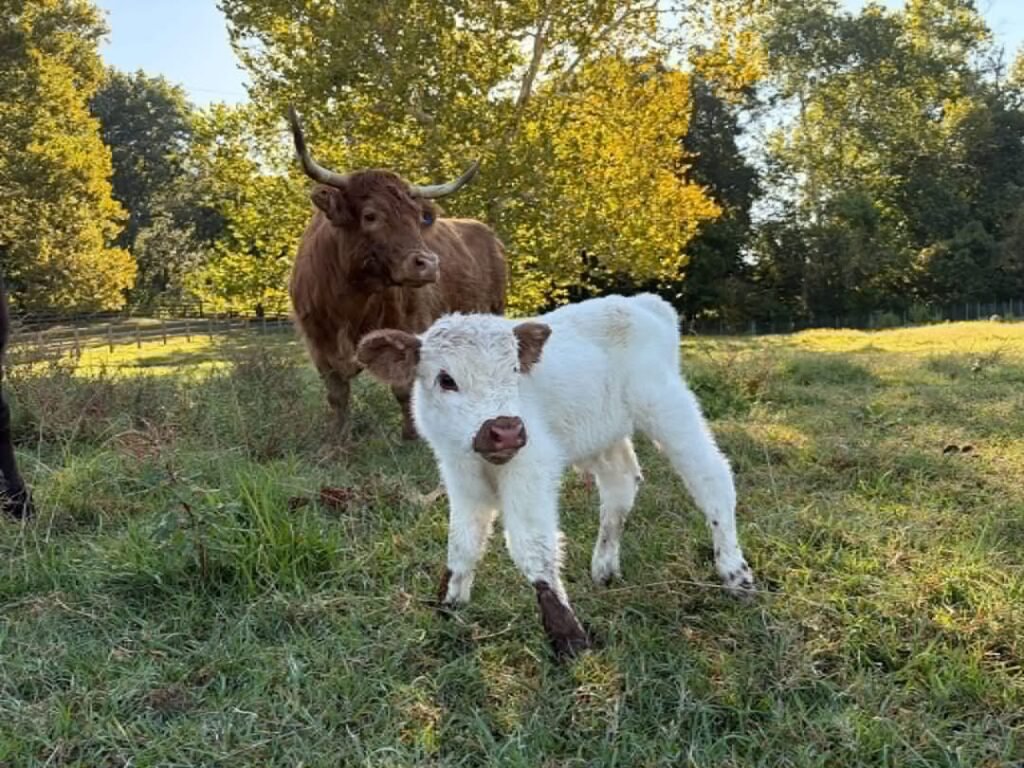
A calm, well-handled animal can be enjoyable for a family farm. However, children should never be allowed to treat cattle like oversized pets.
Even a gentle animal can move suddenly.
Children should learn to:
• Stay calm around cattle.
• Avoid running toward or behind an animal.
• Never pull tails, horns, ears, or hair.
• Avoid climbing on cattle.
• Stay away from a cow with a young calf unless an experienced adult is supervising.
• Follow the owner’s handling rules.
Adults should supervise children around cattle at all times.
Penn State Extension — Working Safely Around Farm Animals
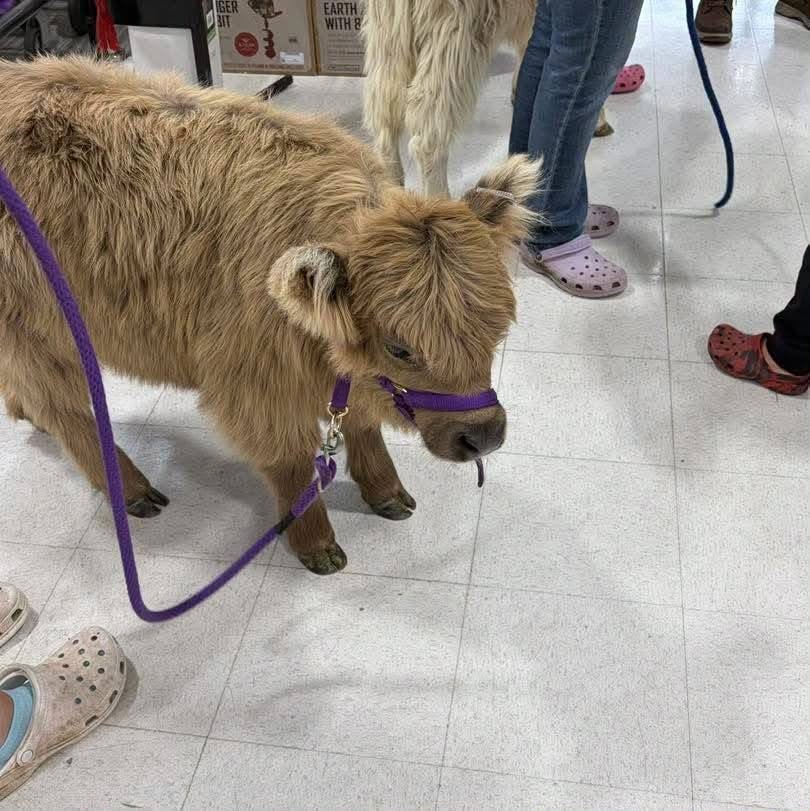
Can Mini Highland Cows Become Aggressive?
A Mini Highland cow should not be assumed to be aggressive simply because it has horns or because it is cattle. However, owners must respect the animal’s size, instincts, and potential reactions.
An animal may become defensive when it feels threatened. Pain, unfamiliar surroundings, isolation, loud noises, rough handling, or maternal behavior can also change how cattle respond.
Bulls require particular caution. Penn State Extension specifically recommends extra care around bulls and advises against entering a bull’s pen unless necessary and with experienced assistance. 
Consequently, temperament should always be considered together with safe livestock management.
Do Mini Highland Cow Horns Affect Temperament?
Horns do not automatically make a Highland cow aggressive.
The American Highland Cattle Association explains that Highland cattle have long horns and describes the breed as generally docile and easy to work with. 
Nevertheless, horns make safe handling even more important.
Owners should provide adequate space around gates, feeders, handling areas, and people. They should also avoid putting themselves in situations where an animal can pin, push, or strike them.
Mini Highland Cattle Care Guide
Do Mini Highland Cows Need Companionship?
Cattle are social herd animals. They naturally prefer to stay with other cattle rather than remain isolated.
Therefore, owners should think carefully about companionship before purchasing a Mini Highland cow.
If you are considering purchasing one animal, ask the breeder about its current social environment and how it responds when separated from other cattle. If you are considering two animals, discuss compatibility and management requirements with the breeder.
Mini Highland Cattle Buyer’s Guide
How Does Age Affect Mini Highland Cow Temperament?
Age can influence how an animal behaves.
Young calves may be curious, playful, cautious, or energetic. As they mature, their behavior can change. In addition, puberty, breeding activity, changes in social position, and new environments can affect how cattle respond.
Therefore, do not judge a young calf solely by how it behaves during one short visit.
Instead, ask the breeder about its behavior over time.
For buyers, this information can be especially useful when comparing several animals.
How Does a New Environment Affect Behavior?
Moving to a new farm can temporarily change an animal’s behavior.
A Mini Highland cow arriving at a new home may initially appear nervous, quiet, alert, or less interested in people. New fencing, smells, sounds, cattle, dogs, and daily routines can all create unfamiliar experiences.
That does not necessarily mean the animal has a poor temperament.
Give the animal time to adjust. Keep its first few days predictable, provide clean water and appropriate feed, and avoid unnecessary stress.
Penn State Extension — Preventing Undue Stress During Livestock Handling
How Can Owners Encourage Calm Behavior?
Good routines can make everyday cattle management easier.
Start with simple, consistent interactions. Approach animals calmly, use familiar routines, and avoid unnecessary chasing. Furthermore, make sure gates, fences, and handling areas allow cattle to move safely.
Cattle can also become accustomed to regular care when owners handle them appropriately from a young age.
Useful practices include:
• Calm daily observation.
• Gentle halter training when appropriate.
• Consistent feeding routines.
• Quiet movement through gates and pens.
• Regular visual checks.
• Safe handling facilities.
• Avoiding unnecessary loud noises.
These practices do not guarantee a particular personality. However, they can help reduce unnecessary stress and make handling more predictable.
Mini Highland Cattle Care Guide
What Are Signs of a Calm Mini Highland Cow?
A calm animal may remain relaxed when people approach. It may continue grazing, stand quietly, or move away without becoming highly agitated.
The American Highland Cattle Association even uses a formal docility score in its performance program. Its scale ranges from exceptionally calm animals to animals that become highly nervous and difficult to manage. 
However, one observation is not enough to evaluate temperament.
Instead, ask the breeder how the animal behaves during different situations, including feeding, handling, separation, loading, and routine care.
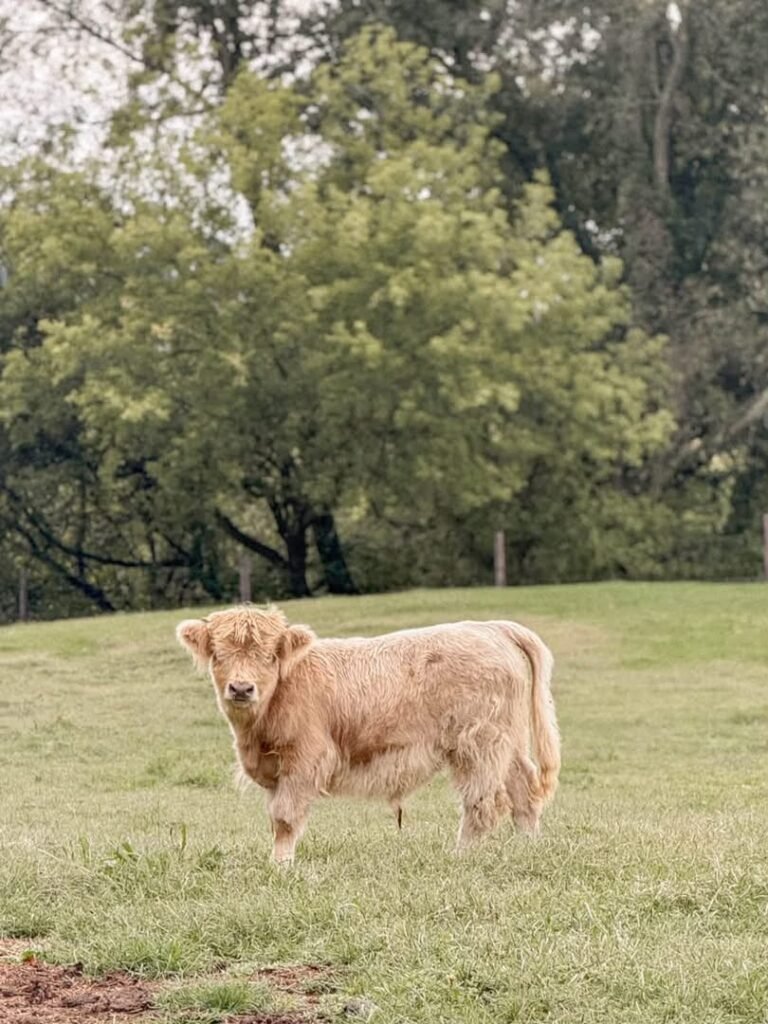
What Are Signs That a Cow Is Stressed?
Owners should learn to recognize changes in behavior.
A stressed animal may become more alert, attempt to move away, pace, vocalize, or react strongly to unfamiliar situations. Cattle can also become more difficult to handle when they feel threatened.
Penn State Extension notes that cattle retain prey-animal instincts and can become stressed by isolation, sudden movement, loud noises, and unfamiliar situations. 
If an animal suddenly behaves differently from normal, consider whether pain, illness, injury, environmental changes, or another problem could be involved.
Mini Highland Cattle Care Guide
What Should You Ask a Breeder About Temperament?
Before buying, ask specific questions about the individual animal.
Good questions include:
- How would you describe this animal’s temperament?
- Is it comfortable around people?
- Has it received regular handling?
- Has it been halter trained?
- How does it behave around other cattle?
- How does it react to unfamiliar people?
- Has it been transported before?
- Does it remain calm during routine care?
- Has it shown any behavior concerns?
- Can I see a recent video of the animal being handled?
A reputable seller should be willing to give you clear information rather than simply saying that an animal is “very friendly.” How to Find a Reputable Mini Highland Cow Breeder
Can You Tell Temperament From a Photo or Video?
Photos can show appearance, but they cannot fully establish temperament.
A video can provide more information because you may see how the animal walks, reacts to people, interacts with other cattle, and responds to its surroundings.
Even so, a short video represents only one moment.
Therefore, ask for recent footage and combine it with the breeder’s description, handling history, and your own questions.
: Mini Highland Cattle for Sale
Does Temperament Matter When Choosing a Mini Highland Cow?
Yes. Temperament should be one of the factors you consider before buying.
However, it should not be the only factor.
Also consider:
• Age
• Sex
• Health information
• Breeding background
• Handling history
• Expected mature size
• Horn development
• Farm compatibility
• Transportation requirements
• Your experience with cattle
If you want a companion animal for a small farm, for example, you may prioritize a different set of characteristics than someone purchasing breeding stock.
How Willow Creek Mini Highlands Helps Buyers
At Willow Creek Mini Highlands, we understand that buyers want more than a good-looking animal. They want information that helps them decide whether a particular Mini Highland is right for their farm or family.
That is why we encourage buyers to ask questions about age, temperament, handling, care, availability, and delivery before making a decision.
Our goal is to provide clear information and help buyers understand what they are purchasing.
About Willow Creek Mini Highlands
Contact Willow Creek Mini Highlands
Final Thoughts on Mini Highland Cow Temperament
Mini Highland cow temperament is often described as calm and docile, and the Highland breed is recognized for those qualities. However, every animal is an individual.
Good handling, early socialization, a suitable environment, and consistent care can all influence how comfortable cattle become around people. At the same time, owners must remember that cattle remain livestock and should always be treated with appropriate respect and caution.
Before purchasing, ask about the specific animal’s behavior rather than relying only on breed descriptions. Request recent videos, discuss handling history, and choose an animal that fits your experience and farm environment.
If you are ready to explore available animals, you can view our current Mini Highland Cattle for Sale and contact Willow Creek Mini Highlands with questions about temperament, care, availability, or delivery. View Mini Highland Cattle for Sale
[…] For more information about behavior, Mini Highland Cow Temperament is a helpful resource for prospective owners. […]
[…] For a deeper look at behavior, visit Mini Highland Cow Temperament: Are They Friendly and Easy to Handle? […]
[…] You can learn more about behavior in Mini Highland Cow Temperament: Are They Friendly and Easy to Handle? […]
[…] For more information, read Mini Highland Cow Temperament: Are They Friendly and Easy to Handle? […]
[…] Learn About Mini Highland Cow Temperament […]