Are Mini Highland cows good pets? Yes, Mini Highland cows can make wonderful companion animals for the right owner. They are often calm, curious, social, and enjoyable to care for. However, they are still cattle—not house pets like dogs or cats.
Mini Highland cows need pasture, secure fencing, clean water, suitable shelter, proper feed, veterinary care, and regular attention. Their smaller size may make them easier to manage than full-size cattle, but they still have considerable strength and natural livestock behaviors.
Before bringing one home, it is important to understand both the benefits and responsibilities of owning a Mini Highland cow.
Why Do People Choose Mini Highland Cows as Pets?
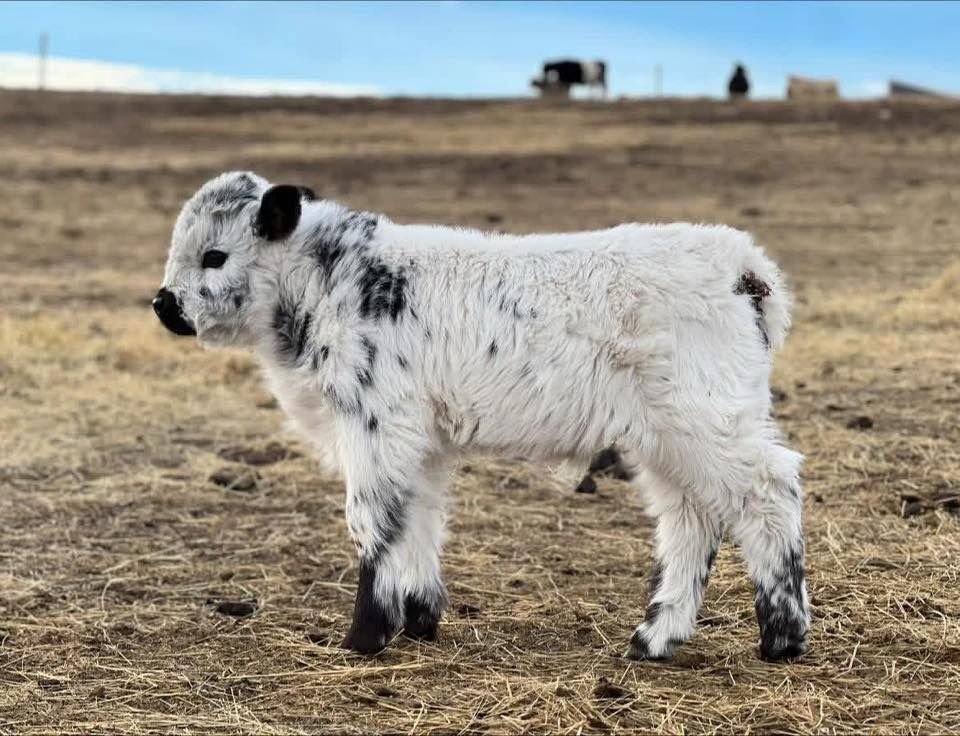
Mini Highland cows are popular because of their beautiful coats, unique appearance, and friendly personalities. Many owners enjoy watching them graze, brushing their coats, and spending time with them in the pasture.
In addition, Mini Highland cows can become comfortable with people when they receive gentle handling from a young age. They may learn to recognize familiar voices, follow routines, and accept basic care such as brushing and halter training.
Their smaller size can also make them a practical choice for hobby farms and homesteads. Nevertheless, size alone does not determine temperament. Each animal has its own personality, so buyers should ask about handling history and behavior before making a decision.
Learn more about their general needs in our [Mini Highland Cattle Care Guide].
Are Mini Highland Cows Friendly?
Mini Highland cows can be friendly, but they should always be treated as livestock. A well-socialized animal may enjoy calm attention and regular grooming. However, even a gentle cow can become frightened, excited, or difficult to control.
A cow’s behavior often depends on:
- Early handling
- Regular human interaction
- Its individual personality
- The way it was raised
- Its surroundings
- How people approach and feed it
For example, shouting, chasing, or rough handling can make cattle nervous. On the other hand, calm movements and predictable routines can help build trust.
For that reason, never assume that a friendly Mini Highland cow will always behave like a small dog. A mature animal can still weigh several hundred pounds and may have horns.
Mini Highland Cows Are Not House Pets
Although Mini Highland calves may appear in cute indoor videos, adult cattle belong outdoors in a suitable livestock environment. They are not house-trained, and they produce manure that requires proper management.
A Mini Highland cow needs:
- A safe outdoor living area
- Room to walk and graze
- Access to shade and shelter
- Clean water throughout the day
- Suitable pasture or hay
- Regular health checks
- A compatible animal companion
Therefore, Mini Highland cows are best described as pasture pets or companion livestock. They can form strong bonds with their owners, but their care is different from caring for a dog, cat, or rabbit.
How Much Space Does a Mini Highland Cow Need?
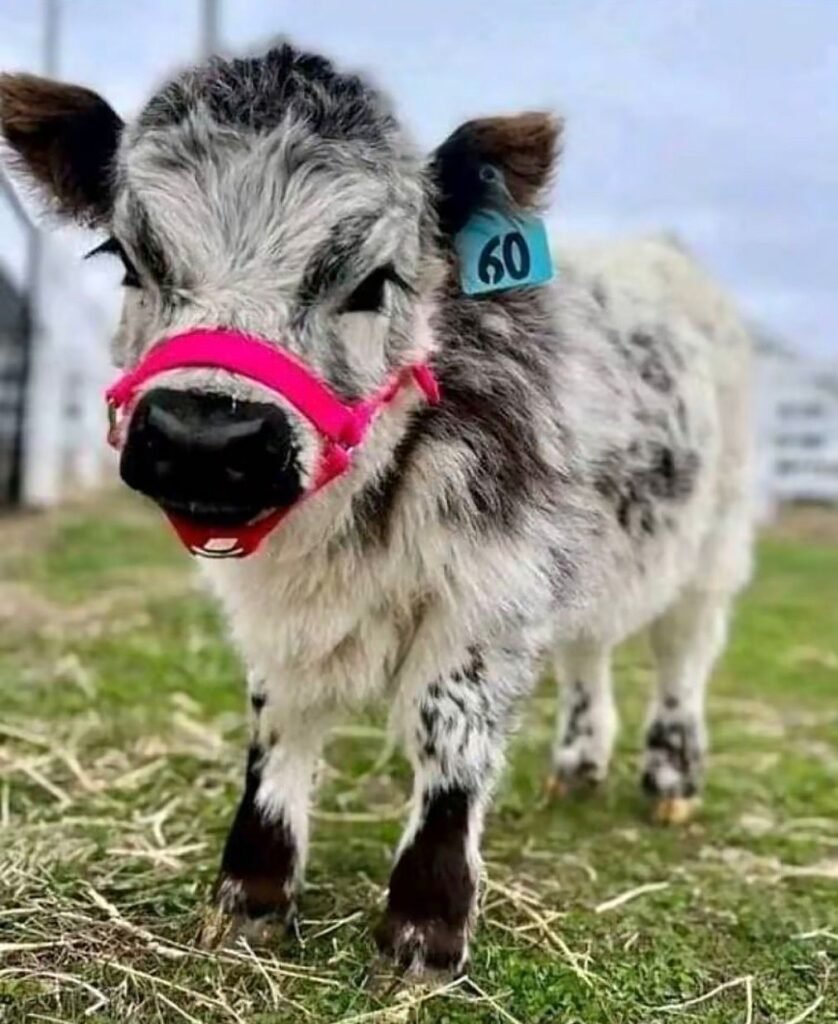
Mini Highland cows need enough space to move comfortably, graze, rest, and avoid muddy or overcrowded conditions. The exact amount of land depends on pasture quality, climate, rainfall, soil, and whether additional hay is provided.
A small property may work if it has good pasture and proper management. However, owners should never assume that a Mini Highland cow can live comfortably in a small backyard.
Before buying, evaluate:
- Pasture quality
- Available grazing space
- Drainage during wet weather
- Shade and shelter
- Fencing condition
- Space for feeding and handling
- Room for a companion animal
Read our [How to Prepare Your Farm for a Mini Highland Cow] article before bringing an animal home.
For additional information about pasture planning, see the [University of Vermont pasture-planning resource].
Do Mini Highland Cows Need a Companion?
Yes. Cattle are social herd animals, and many are more comfortable when they have a suitable companion. Keeping one animal completely alone may lead to stress, excessive calling, pacing, or fence-testing.
A suitable companion may include:
- Another Mini Highland cow
- Another compatible cattle breed
- Another appropriate livestock companion
However, different species have different nutritional and management needs. Therefore, owners should ask a veterinarian or experienced livestock professional before mixing animals.
If you are considering a pair, explore our [Mini Highland Cattle for Sale] page or ask us about available companion options.
What Do Mini Highland Cows Eat?
Mini Highland cows generally eat pasture grass and good-quality hay. They also need constant access to clean water and an appropriate cattle mineral supplement.
Their feeding needs depend on:
- Age
- Body condition
- Pregnancy or nursing status
- Pasture quality
- Weather conditions
- Activity level
Do not make sudden changes to their diet. Instead, introduce new feed gradually and seek professional advice when necessary.
Mini Highland cows may require less feed than full-size cattle, but they still need a balanced diet. Overfeeding can also create health problems, so their body condition should be monitored regularly.
You can learn more through our [Mini Highland Cow Feeding Guide].
What Kind of Fencing Do They Need?
Strong fencing is essential. Mini Highland cows may be smaller than standard cattle, but they can still push against weak fences, test gates, or escape through unsafe openings.
A suitable fence should:
- Be strong and well-maintained
- Have secure gates
- Prevent dangerous gaps
- Provide enough room for horns
- Keep animals safely inside
- Be checked after storms or damage
Avoid relying on weak garden fencing. In addition, make sure gates close securely and that the handling area is safe for both people and animals.
For livestock fencing information, visit the [Penn State Extension fencing resource].
Can Mini Highland Cows Live Around Children?
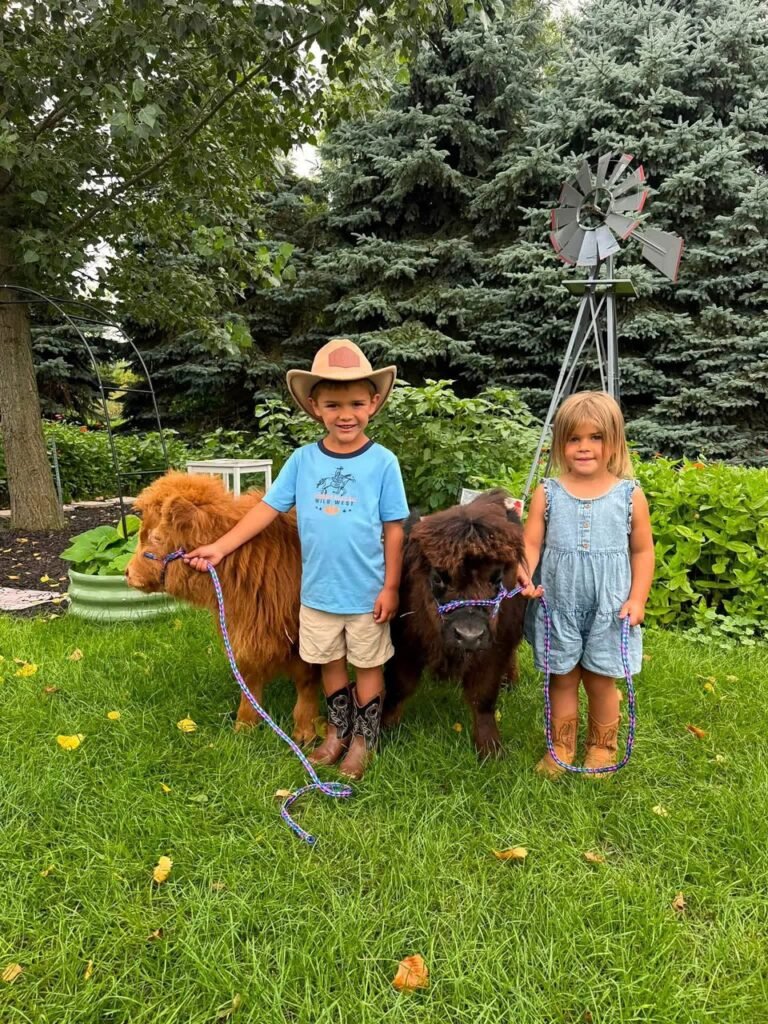
Mini Highland cows can live on family farms, but children should always be supervised around them. Even a calm cow can accidentally push, step on, or swing its head toward someone.
Teach children to:
- Approach slowly
- Avoid standing directly behind the animal
- Never pull the tail or horns
- Never chase the cow
- Avoid running around feeding areas
- Respect the animal’s personal space
- Follow adult instructions at all times
Children should not enter a cattle enclosure alone. Also, avoid teaching calves to push people for treats because that behavior can become dangerous as the animal grows.
Can Mini Highland Cows Live With Dogs?
Some Mini Highland cows can live safely around calm, trained dogs. However, the animals must be introduced carefully. Dogs that chase, bark at, or nip cattle may cause fear and defensive behavior.
Keep dogs on a leash during early introductions. Also, provide separate spaces so the cow can move away if it feels uncomfortable.
Never assume that every cow and dog will get along. Their behavior should be observed carefully, especially around feeding areas and young calves.
What Daily Care Do Mini Highland Cows Need?
Mini Highland cows require daily observation and routine care. Even when they appear healthy, owners should check them every day.
Daily care may include:
- Checking water
- Inspecting fences
- Observing appetite
- Checking movement and behavior
- Monitoring body condition
- Inspecting the coat and skin
- Cleaning feeding areas
- Checking shelter and pasture conditions
Regular grooming can also help strengthen the bond between the owner and the animal. It allows you to notice injuries, parasites, skin problems, or other changes early.
Do Mini Highland Cows Need Veterinary Care?
Yes. Mini Highland cows need routine veterinary care, just like other cattle. Their smaller size does not remove the need for vaccinations, parasite control, hoof care, and emergency treatment.
Before purchasing, find a veterinarian who treats cattle in your area. Ask about:
- Vaccination schedules
- Parasite control
- Hoof care
- Nutrition
- Reproductive care
- Emergency procedures
- Transportation health requirements
For information about cattle movement requirements, review the [USDA APHIS interstate cattle movement guidance].
Common Mistakes New Owners Should Avoid
New owners can prevent many problems by preparing before the animal arrives. Common mistakes include:
- Buying a cow before preparing the property
- Using weak fencing
- Underestimating feed expenses
- Keeping the animal alone
- Allowing children to interact without supervision
- Treating cattle like oversized dogs
- Feeding too many treats
- Ignoring changes in behavior
- Failing to plan for veterinary care
- Choosing an animal without asking about its temperament
Instead, ask questions and choose an animal that matches your property, experience, budget, and goals.
Our [Mini Highland Cattle Buyer’s Guide] can help you prepare before making a purchase.
Are Mini Highland Cows Good Pets for Families?
Mini Highland cows can be excellent companion animals for families who have enough space and understand livestock care. They can provide enjoyable farm experiences, teach children responsibility, and become familiar members of a small farm.
However, they are not suitable for every household. A family without pasture, fencing, time, or access to veterinary care may need to consider a different type of pet.
The best owners are prepared to provide daily care for many years. They also understand that a calm animal still needs boundaries, training, and respectful handling.
Final Thoughts
So, are Mini Highland cows good pets? Yes, they can be wonderful pasture pets for the right owner. Their friendly appearance, social nature, and manageable size make them appealing to families, hobby farmers, and homesteaders.
Still, Mini Highland cows are livestock. They need secure fencing, suitable pasture, clean water, shelter, proper nutrition, veterinary care, and companionship. They should never be treated like ordinary household pets.
At [Willow Creek Mini Highlands], we help customers learn more about Mini Highland cattle before choosing an animal. You can view our [Mini Highland Cattle for Sale], learn more about [Our Farm], or [Contact Us] with your questions about temperament, care, availability, and delivery.