Bringing a Mini Highland cow home is exciting, but the best time to prepare your property is before your new animal arrives. A beautiful pasture is only one part of a good cattle setup. Your Mini Highland also needs secure fencing, dependable water, suitable forage, weather protection, safe feeding areas, and a practical way to handle the animal when necessary.
If you are learning how to prepare your property for a Mini Highland cow, think beyond simply asking whether you have enough land. The better question is whether your property is safe, functional, and manageable for cattle every day.
A well-prepared property can make feeding, watering, cleaning, veterinary care, transportation, and routine handling much easier. It can also help prevent problems that are much harder to solve after an animal has already arrived.
Before choosing your Mini Highland, you can also review our Mini Highland Cattle Buyer’s Guide for important questions to ask before purchasing.
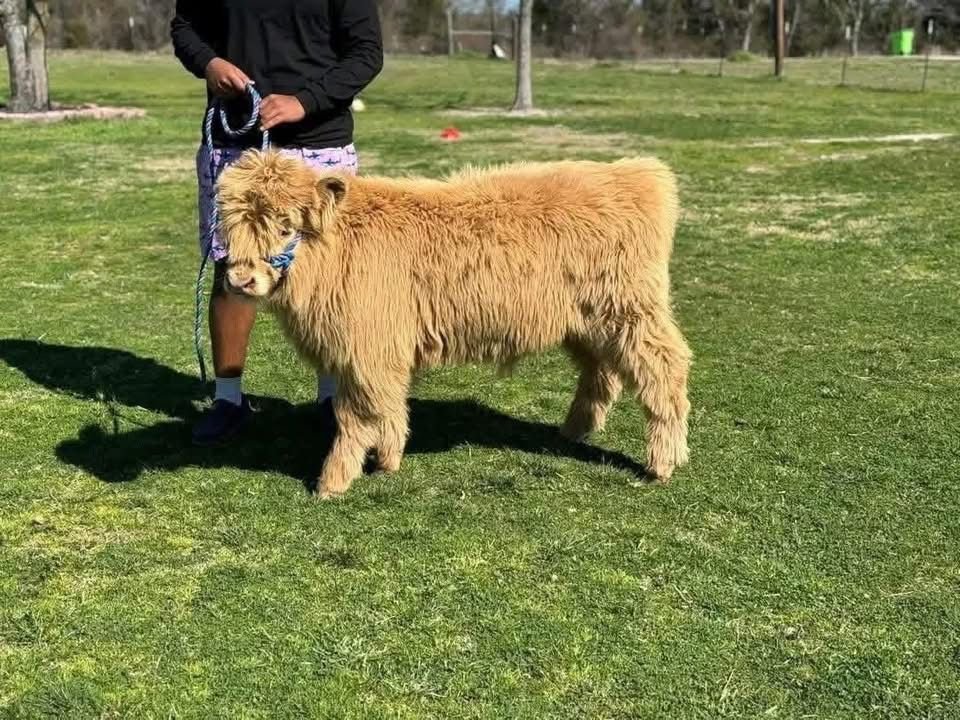
Walk Your Property With Your Mini Highland in Mind
Start by walking the entire property.
Instead of looking at it as a homeowner or landowner, look at it as a cattle owner. Imagine where your Mini Highland will walk, graze, drink, rest, and be handled.
Pay attention to the condition of your fences, gates, pasture, water sources, shelter, and ground.
Also look for areas that could become problematic during different seasons. A section that looks perfectly safe during dry weather may become muddy during heavy rain. A water source that works well in summer may freeze or become difficult to maintain during winter.
Consider questions such as:
- Where will the animal spend most of its day?
- Where will it drink?
- Where will hay or supplemental feed be provided?
- Where can it escape severe weather?
- Where will you safely move it if a veterinarian visits?
- Where will a livestock trailer enter and unload?
- What happens if your primary water source fails?
- Where will you keep the animal if it needs temporary separation?
This initial property walk gives you a much clearer picture of what needs to be completed before delivery.
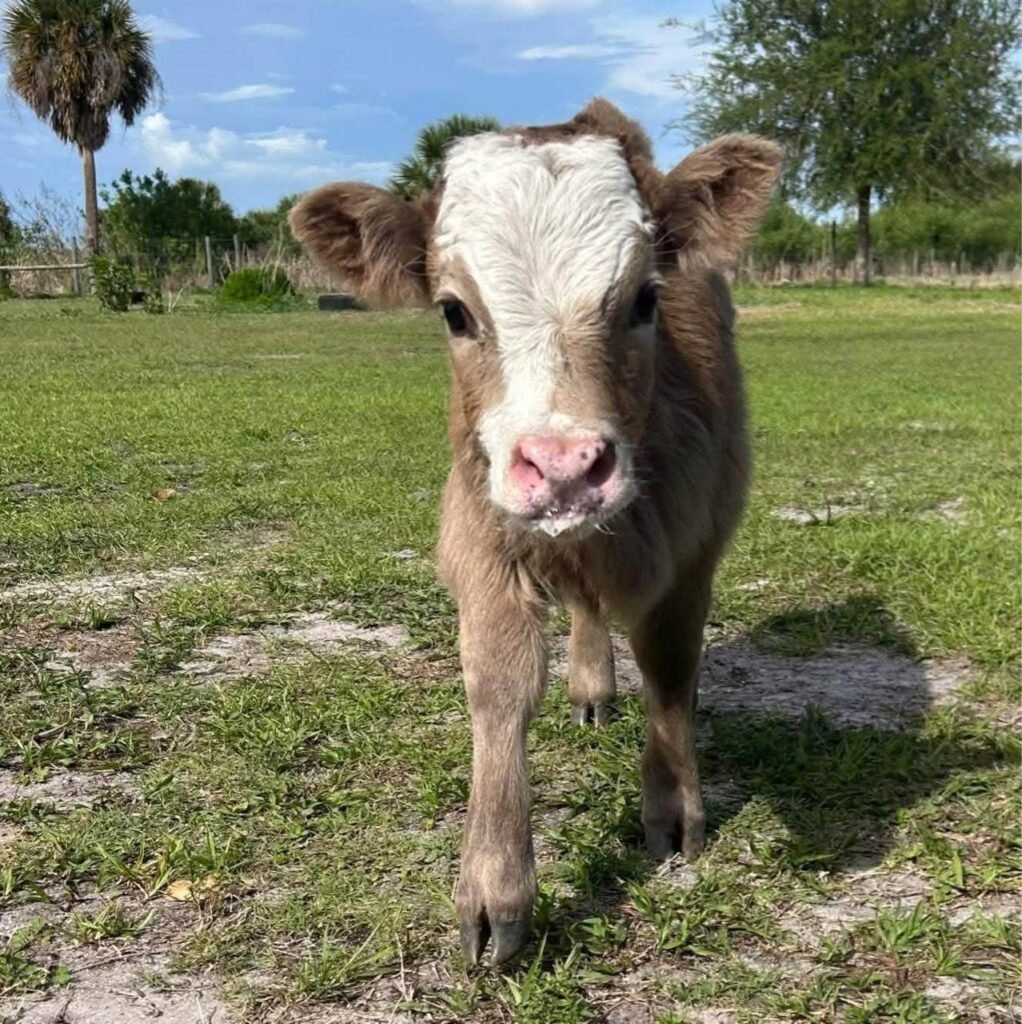
Evaluate Your Pasture and Forage
Your pasture is one of the most important parts of your Mini Highland’s environment.
However, do not assume that owning several acres automatically means you have enough forage. The amount of cattle a property can support depends on factors such as forage productivity, soil, rainfall, climate, pasture management, and supplemental feeding.
Walk the pasture and look at its actual condition.
Is there healthy forage available? Are some areas heavily grazed? Are there bare patches? Does water collect in certain locations? Are there weeds or plants you cannot identify?
Highland cattle are recognized for their ability to forage and browse, but their hardiness does not eliminate the need for appropriate nutrition.
Your property should therefore have a realistic feeding plan for both good and poor pasture conditions.
During periods when pasture does not provide enough nutrition, you may need appropriate hay or other supplemental feed based on the animal’s needs.
For additional Highland-specific information, review the American Highland Cattle Association breed resources].
Install Secure, Cattle-Safe Fencing
Fencing should be ready before your Mini Highland arrives.
The purpose of fencing is not simply to keep your animal inside. Proper fencing helps separate livestock from roads, neighboring properties, gardens, equipment, unsafe terrain, and other hazards.
Inspect every section of your existing fence.
Look for:
- Broken or loose sections
- Damaged posts
- Gaps
- Sharp edges
- Weak corners
- Low sections
- Areas underneath fences where animals could get through
- Damaged gates and latches
Because Highland cattle have horns, also pay attention to locations where an animal could potentially get its head or horns caught.
Your fencing system should match your property, livestock, terrain, and management practices. There is no single fencing design that is perfect for every farm.
Penn State Extension provides useful guidance on livestock fencing, pasture management, and controlling livestock movement. [Penn State Extension Fencing Resources]
Most importantly, inspect your fencing regularly after your Mini Highland arrives. Fencing is an ongoing part of livestock management, not a one-time project.
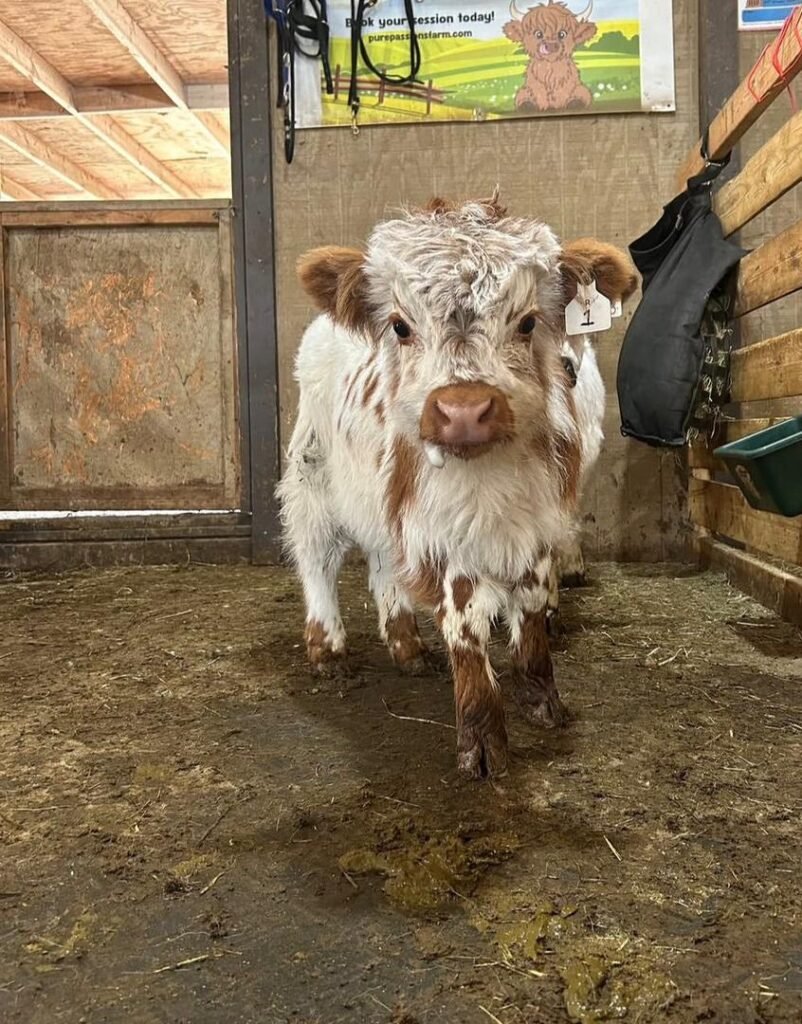
Make Clean Water Easy to Access
Reliable water should be available before your animal comes home.
Choose a watering system that you can maintain consistently. Depending on your property, this might be a livestock trough, automatic waterer, or another suitable system.
The important part is reliability.
Your Mini Highland should not have to depend on a water source that is difficult to access or frequently runs dry.
Check your water system regularly for:
- Cleanliness
- Damage
- Leaks
- Blockages
- Contamination
- Adequate access
Also inspect the ground surrounding the water source.
Cattle repeatedly walking through the same area can turn it into mud, particularly during wet weather. If necessary, improve drainage or the footing around high-traffic areas.
Fresh, clean water is a basic requirement for cattle management, and Penn State Extension’s beef-cattle resources provide additional guidance on livestock water systems. [Penn State Extension Beef Cattle Facilities and Technology]
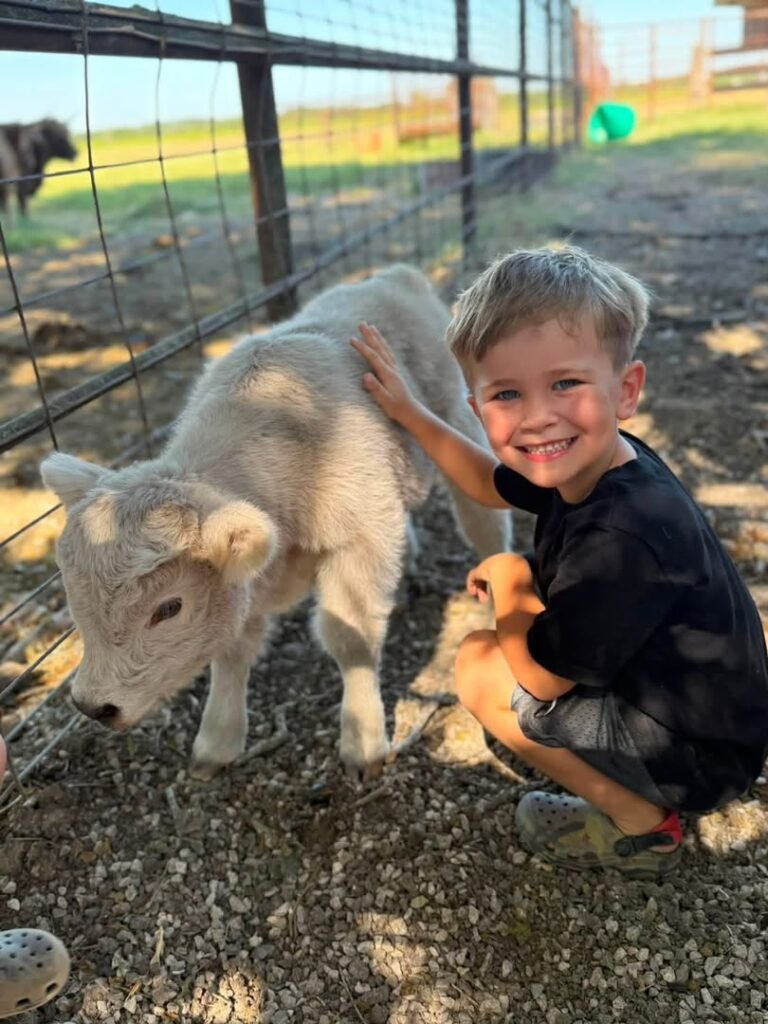
Provide Shelter, Shade, and Weather Protection
Highland cattle are hardy animals with a distinctive double hair coat, but responsible ownership still means providing appropriate protection from severe weather.
Your Mini Highland should have access to a suitable place where it can seek relief from the conditions common to your area.
In a hot climate, shade, airflow, and dependable water become especially important.
In areas with prolonged rain, strong winds, cold temperatures, or severe winter weather, your property should provide appropriate protection from those conditions.
The goal is not necessarily to keep your Mini Highland indoors. Instead, create an environment where the animal has access to appropriate protection when weather becomes uncomfortable or severe.
Look at the direction of prevailing winds, natural shade, drainage, and the location of any shelter.
A shelter placed in an area that becomes muddy or flooded may create more problems than it solves.
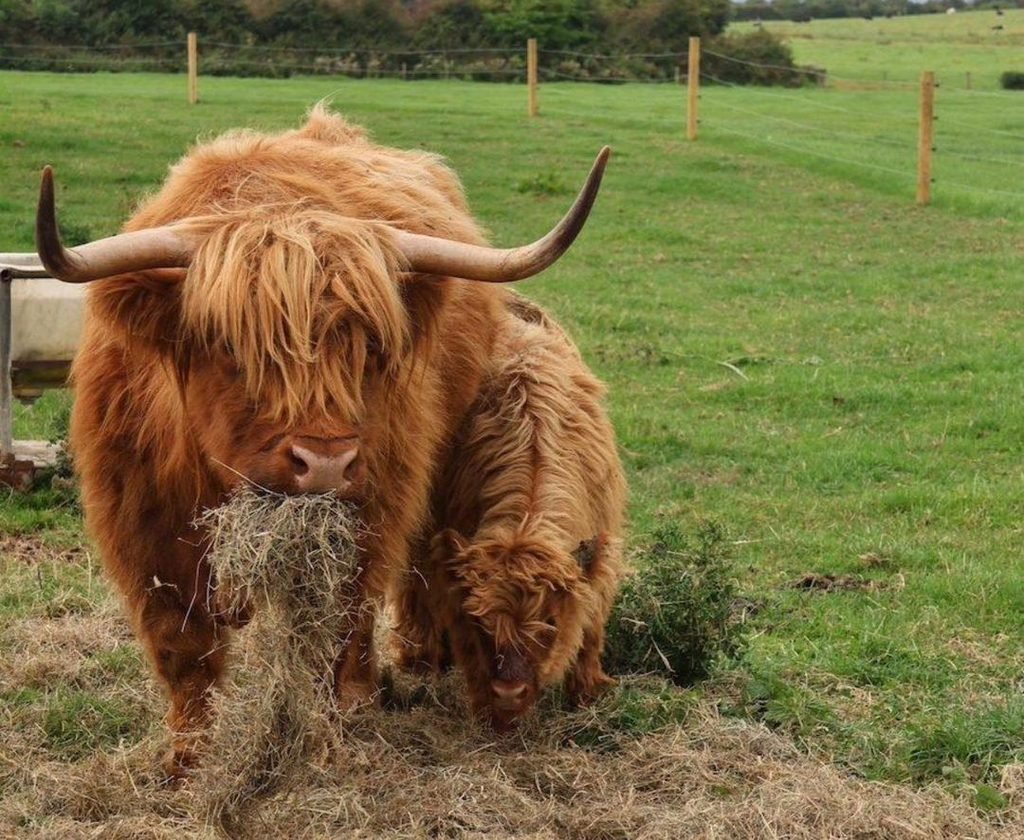
Create a Dedicated Feeding Area
Think carefully about where your Mini Highland will receive hay and supplemental feed.
A good feeding area should be convenient for you and accessible to the animal.
It should also be positioned where repeated livestock traffic will not unnecessarily damage your pasture.
If hay is provided outside, consider how moisture and mud will affect the feeding area. If you use a feeder, inspect it regularly for damage and make sure it is appropriate for your cattle.
Feed storage matters too.
Keep hay and other feed protected from unnecessary moisture and contamination. Store equipment and supplies in an organized location where cattle cannot accidentally access anything hazardous.
If you plan to own two Mini Highlands, make sure the feeding arrangement provides adequate access for both animals.
Remove Hazards From the Property
Before your Mini Highland arrives, inspect the property for objects and areas that could cause injury.
Walk through the pasture slowly rather than simply looking from a distance.
Remove or secure unnecessary items such as:
- Old wire
- Scrap metal
- Nails
- Broken equipment
- Plastic
- Trash
- Unused farm materials
- Loose building materials
Pay attention to abandoned structures, holes, steep areas, ponds, ditches, and other unusual terrain.
You should also inspect gardens and landscaped areas.
If there are plants you cannot identify, have them identified before allowing cattle access. Do not assume that a plant is safe simply because it grows naturally on your property.
Your local veterinarian or agricultural extension service can help you identify potential livestock hazards specific to your area.
Plan for Gates and Livestock Movement
A property can have strong fencing and still have a weak point: the gates.
Check every gate before your Mini Highland arrives.
Make sure gates:
- Open smoothly
- Close completely
- Have secure latches
- Do not have dangerous gaps
- Provide enough clearance for normal livestock movement
Think about how you will move your animal from one area to another.
You may eventually need to move your Mini Highland for veterinary care, transportation, pasture management, or other routine needs.
Planning these routes ahead of time makes livestock management much easier.
Create a Safe Handling Area
One of the most overlooked parts of preparing a property is planning for safe cattle handling.
You may have a calm and friendly Mini Highland today, but there will still be times when you need to control or move the animal.
Veterinary visits are one example.
Transportation is another.
A secure holding or handling area gives you a controlled place to work with your cattle when necessary.
The complexity of the setup will depend on the number of animals you own and the type of management you plan to use.
For a small property, a simple, well-designed enclosure may be appropriate. Larger operations may benefit from more developed handling facilities.
Penn State Extension provides information about cattle handling systems, including holding areas, alleys, crowding pens, and other livestock facilities. [Penn State Extension Beef Cattle Facilities Resources]
The important thing is to have a plan before you need one
Prepare for Veterinary Care Before an Emergency
Do not wait until your Mini Highland is sick or injured before thinking about veterinary care.
Identify a veterinarian who works with cattle or other appropriate livestock in your area.
Then consider how the veterinarian will access your property.
Can a vehicle reach the livestock area? Can the animal be safely moved into a controlled location? Are the necessary gates accessible?
Having these answers ahead of time can make an unexpected situation much less stressful.
Your veterinarian can also help you develop an appropriate health-management plan based on your animal, location, and circumstances.
Consider Drainage and Mud Before the Rain Comes
Water management can make a major difference on a livestock property.
Some locations will naturally receive more traffic than others. Gates, feeding areas, watering areas, shelters, and handling pens can all become high-traffic zones.
When these areas remain wet, they may become muddy and difficult to maintain.
Walk your property after heavy rain if possible.
Look for:
• Standing water
• Erosion
• Deep mud
• Poor drainage
• Areas where livestock traffic is concentrated
You do not necessarily need to redesign your entire property. Instead, identify problem areas early and improve them as needed.
Good drainage can make the property more comfortable for your cattle and easier for you to maintain.
Plan for Your Existing Animals
If you already have horses, donkeys, goats, sheep, or other livestock, consider how the new Mini Highland will be introduced.
Do not assume that every animal should immediately share the same space.
A separate area can be useful for gradual introductions, observation, or temporary separation.
If you are bringing a new animal onto a property that already contains livestock, discuss appropriate quarantine and health-management procedures with your veterinarian.
The right approach can depend on the animals involved and their health history.
Prepare Your Property for Delivery Day
Your property may be perfectly prepared, but delivery day can still become stressful if you have not planned the final details.
Before your Mini Highland arrives, confirm exactly where the livestock trailer will enter and where the animal will be unloaded.
Clear the route.
Make sure gates are open when appropriate and that the unloading destination is secure.
Avoid unloading directly into an unsecured area where the animal could immediately escape.
Have water and the appropriate feeding arrangement ready.
Most importantly, avoid creating unnecessary activity around the animal during arrival. A calm, controlled environment can make the transition easier.
If your Mini Highland is being transported across state lines, make sure you understand the applicable movement requirements before the trip.
USDA APHIS notes that interstate movement requirements can vary depending on the animals, movement circumstances, identification requirements, and destination state. State-specific requirements may also apply. [USDA APHIS Interstate Animal Movement Guidance]
Prepare for Seasonal Changes
A property that works well in one season may require adjustments in another.
Summer can bring heat, dry pasture, and increased demand for water.
Winter can reduce pasture growth and increase the importance of stored forage and weather protection.
Spring may bring rapid pasture growth but also wet ground.
Fall can bring changing forage conditions and preparation for winter.
For that reason, preparing your property is not a single project that ends on delivery day.
Instead, good Mini Highland ownership involves continually observing the property and adjusting your management when conditions change.
Think About the Long-Term Needs of Your Mini Highland
Before purchasing, think beyond the first few weeks.
Your Mini Highland will grow and mature. Your property will also change with weather, pasture use, and livestock management.
Consider how your setup will work six months from now and several years from now.
If you may eventually purchase another Mini Highland, make sure your fencing, water, pasture, shelter, feeding areas, and handling setup can accommodate additional cattle.
Planning ahead can prevent you from rebuilding the same areas repeatedly.
Use a Pre-Arrival Walkthrough
About a week before delivery, walk the property one more time.
This time, imagine that your Mini Highland is arriving tomorrow.
Check the fence from beginning to end.
Open every gate.
Test the water.
Inspect the pasture.
Look inside the shelter.
Check the feeding area.
Walk the unloading route.
Look for anything that may have changed since your original inspection.
This final walkthrough is one of the easiest ways to catch small problems before they become livestock problems.
Know What Should Be Ready Before You Buy
You do not need to have a perfect property before becoming a Mini Highland owner.
However, you should have the essentials under control.
Before your animal arrives, you should have a clear plan for:
Fencing: Your Mini Highland needs a secure and regularly maintained enclosure.
Water: Clean, reliable water should be available and easy to monitor.
Forage: You should understand your pasture and have a plan for supplemental hay or feed when necessary.
Shelter: Provide appropriate protection from the weather conditions common to your location.
Feeding: Establish a practical place and routine for providing feed.
Handling: Have a safe method for moving and managing the animal.
Veterinary care: Know who you will contact and how the animal can be safely handled.
Transportation: Know where the trailer will enter, unload, and exit.
Maintenance: Be prepared to inspect fencing, water, pasture, and high-traffic areas regularly.
Preparing Your Property Makes Ownership Easier
The real goal of property preparation is not simply checking boxes before delivery.
It is creating an environment that works for both you and your Mini Highland.
When the fence is secure, water is reliable, feed is organized, and handling is planned, daily care becomes much easier.
You can spend more time enjoying your cattle instead of constantly solving preventable problems.
That is especially important for first-time owners.
If you are still deciding whether a Mini Highland is right for your property and lifestyle, our Are Mini Highland Cows Good for Beginners? guide can help you think through the responsibilities involved.
Preparing for a Mini Highland at Willow Creek Mini Highlands
At Willow Creek Mini Highlands, we understand that purchasing a Mini Highland is about more than choosing an animal from a photo.
The buyer also needs to be prepared for the animal’s arrival.
Before reserving a Mini Highland, we encourage prospective owners to think about their fencing, water, pasture, shelter, feeding arrangements, handling plans, and transportation.
If you are looking for available Mini Highland cattle, visit our Mini Highland Cattle for Sale page to see current availability.
You can also learn more about our farm through About Willow Creek Mini Highlands
If you have questions about an available calf, reservations, or delivery, visit Contact Willow Creek Mini Highlands
Final Thoughts: Prepare First, Then Bring Your Mini Highland Home
Learning how to prepare your property for a Mini Highland cow is one of the most valuable steps you can take before purchasing.
You do not need the biggest property or the most complicated livestock facility. What matters is having a safe, practical, and well-managed environment that meets the animal’s needs.
Start with the fundamentals: secure fencing, dependable water, suitable forage, weather protection, safe feeding, and a practical handling plan.
Then look at the details that are easy to overlook: gates, drainage, hazards, trailer access, veterinary care, and seasonal changes.
Most importantly, prepare before your Mini Highland arrives.
When your property is ready, you can welcome your new cattle with greater confidence and focus on what makes Mini Highland ownership so rewarding.
If you are ready to find your next Mini Highland, visit Mini Highland Cattle for Sale or Contact Willow Creek Mini Highlands to learn more about available cattle and delivery options.
[…] For more preparation advice, visit How to Prepare Your Property for a Mini Highland Cow. […]