Bringing a Mini Highland cow home is an exciting experience for families, hobby farmers, and small homesteads. However, proper preparation is essential before your animal arrives. A safe pasture, strong fencing, clean water, suitable shelter, and reliable feed supply will help your Mini Highland cow settle comfortably.
If you are planning to raise one of these beautiful animals, preparing your farm in advance can make daily care easier. In addition, good preparation can reduce stress, prevent escapes, and support better animal health.
This guide explains how to prepare your property before bringing home a Mini Highland cow.
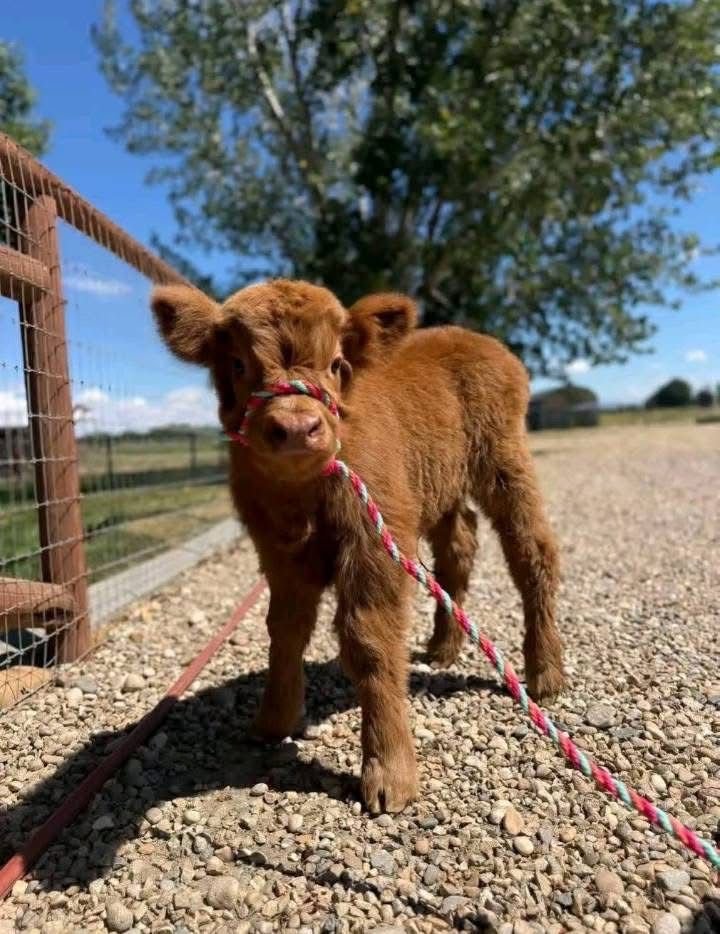
What Does a Mini Highland Cow Need?
A Mini Highland cow needs more than an attractive pasture. It requires a safe environment that includes:
- Secure fencing
- Clean drinking water
- Suitable pasture
- Quality hay
- Mineral access
- Weather protection
- Safe handling areas
- Regular health checks
- Companionship and proper management
Although Mini Highland cattle are smaller than standard cattle, they still need responsible livestock care. Therefore, your property should be prepared before you arrange delivery.
For more information about the breed, visit our Mini Highland Cattle page.
Prepare Secure Fencing
Strong fencing is one of the first improvements to complete before your Mini Highland cow arrives. Good fencing keeps cattle safely inside the property and helps protect roads, neighboring land, gardens, and other animals.
Your fencing system may include:
- Strong perimeter fencing
- Secure gates
- Durable fence posts
- Woven wire
- High-tensile wire
- Electric fencing
- Reliable gate latches
- Corner braces
- Regular inspection points
Before purchasing materials, walk around the entire property. Look for damaged posts, loose wire, low areas, and possible escape routes. Then, repair weak sections before the animal arrives.
A well-planned fencing system can also improve pasture management and make livestock movement easier. [https://extension.psu.edu/fencing]
Use Safe Gates and Entrances
Gates should open and close easily. In addition, they should have strong latches that cattle cannot push open.
Place gates where you can safely move animals between pasture areas. Avoid narrow entrances that may cause animals to crowd together or become difficult to handle.
If you plan to use temporary electric fencing, make sure the system has a suitable energizer and grounding setup. [https://www.uvm.edu/extension/grazing-planning-grazing-system-design-considerations]
Check Your Pasture
Pasture provides an important source of nutrition and exercise. However, not every field is suitable for cattle.
Before your Mini Highland cow arrives, inspect the pasture for:
- Toxic plants
- Sharp objects
- Deep holes
- Broken equipment
- Excessive mud
- Poisonous garden plants
- Unsafe debris
- Weak fence sections
- Poor drainage
Remove dangerous objects and repair unsafe areas. Furthermore, make sure the pasture contains suitable forage and has enough space for the animals you plan to keep.
Pasture quality can change throughout the year. Therefore, you should also plan for periods when grass growth slows down.
Plan for Hay and Feed
Even when pasture is available, you may need hay during winter, drought, heavy rain, or periods of poor grass growth.
Before your Mini Highland cow arrives, arrange a reliable source of:
- Grass hay
- Suitable cattle minerals
- Salt
- Additional feed when necessary
- Safe feed storage
- Hay feeders
Store hay in a dry, well-ventilated area. Keep it away from rain, standing water, and unnecessary moisture. In addition, protect feed from rodents and other pests.
Your animal’s nutritional needs may change according to age, growth, pregnancy, and body condition. Therefore, ask a livestock veterinarian or qualified animal nutrition professional for advice when needed.
For daily feeding and care information, visit our Mini Highland Cattle Care Guide.
Provide Clean Drinking Water
Fresh, clean water should always be available. A reliable water system may include:
- Water troughs
- Automatic waterers
- Water tanks
- Hoses
- Pipes
- Drainage areas
- Cleaning equipment
Check the water supply every day. In addition, clean the trough regularly to prevent dirt, algae, and other contaminants from building up.
If you use a pond or creek, do not assume that the water is automatically safe. Natural water sources may become contaminated by manure, runoff, algae, or other pollutants. [https://extension.illinois.edu/blogs/cattle-connection/2025-07-09-pros-and-cons-using-natural-water-sources-cattle-pasture]
Whenever possible, provide water through a suitable trough or controlled watering system. This approach can help protect water quality and reduce damage to stream banks.
Build Suitable Shelter
Mini Highland cattle have a thick coat that helps them handle cold weather. Nevertheless, they still need access to shade and protection from severe weather.
A suitable shelter should provide:
- Shade during hot weather
- Protection from strong winds
- A dry resting area
- Good drainage
- Adequate ventilation
- Safe entry and exit
- Enough space for the animals
A three-sided shelter may work well in many situations. However, the correct design depends on your climate, pasture conditions, and the number of animals.
Avoid poorly ventilated buildings because trapped moisture can create an unhealthy environment. Instead, provide fresh airflow while protecting the animals from harsh weather.
Create a Dry Resting Area
Cattle need a comfortable place to rest. Constant mud can create problems for their hooves, legs, and general comfort.
To improve the resting area:
- Choose higher ground
- Improve drainage
- Remove standing water
- Add suitable bedding when needed
- Repair muddy entrances
- Keep feeding areas clean
- Rotate heavily used areas
Place feeders and water troughs where they will not create excessive mud. In addition, inspect the area after heavy rainfall and make improvements when necessary.
Prepare a Handling Area
A safe handling area makes routine care easier. You may need to examine your Mini Highland cow, provide medication, trim hooves, or arrange transportation.
Your handling area may include:
- Strong panels
- Secure gates
- A small catch pen
- A halter
- A lead rope
- Non-slip footing
- Adequate lighting
- Easy access for a trailer
Even a calm animal can become difficult to manage when frightened. Therefore, avoid handling cattle in unsafe or crowded spaces.
Regular, gentle handling can also help your animal become more comfortable around people. However, always prioritize safety and use professional assistance when necessary.
Check Your Property for Hazards
Before your Mini Highland cow arrives, inspect the property carefully. Remove or secure anything that could cause injury.
Potential hazards include:
- Loose wire
- Broken tools
- Nails
- Plastic waste
- Old machinery
- Deep holes
- Poisonous plants
- Uncovered drains
- Unstable structures
- Sharp metal
- Open chemical containers
Keep fertilizers, pesticides, fuel, and other chemicals away from livestock areas. Also, make sure gates remain closed when animals are nearby.
A clean and organized property is easier to inspect and maintain. As a result, regular safety checks become part of your normal farm routine.
Plan for Companionship
Cattle are social animals. Before bringing home a Mini Highland cow, consider how you will meet its social and management needs.
You may need to discuss:
- Whether another compatible animal is available
- How the animals will be introduced
- Whether the pasture has enough space
- How feeding will be managed
- How animals will be separated if necessary
Do not introduce unfamiliar animals suddenly without a plan. Instead, use a controlled introduction process and monitor their behavior.
If you are considering purchasing more than one animal, explore our Mini Highland Cattle for Sale page.
Prepare a Veterinary Care Plan
Before your Mini Highland cow arrives, identify a livestock veterinarian who can assist with routine and emergency care.
Your plan should include:
- Initial health examination
- Vaccination recommendations
- Parasite control
- Emergency contact information
- Health records
- Medication instructions
- Pregnancy care when applicable
- Transportation health documents
Keep all health records in a safe and accessible location. In addition, learn how to recognize changes in appetite, movement, breathing, behavior, and body condition.
Early attention can help prevent minor problems from becoming serious.
Arrange Transportation Before Arrival
Transportation should be organized before the animal leaves the farm. Confirm the delivery date, travel route, trailer arrangements, and required documents.
Ask the breeder or transporter about:
- Pickup time
- Delivery time
- Transportation fees
- Health certificates
- Identification requirements
- Trailer safety
- Weather conditions
- Unloading arrangements
If the animal crosses state lines, review the applicable livestock movement requirements. [https://direct.aphis.usda.gov/nvap/reference-guide/animal-movement/interstate]
You can also review our Shipping & Reservations page for additional delivery information.
Prepare Your Family
If children will interact with the Mini Highland cow, establish clear safety rules before the animal arrives.
Teach everyone to:
- Approach calmly
- Avoid sudden movements
- Stay away from the animal’s blind spots
- Never tease or chase cattle
- Avoid standing between an animal and a fence
- Keep gates closed
- Ask for help when handling livestock
Even a gentle animal can react unexpectedly. Therefore, children should always interact with cattle under responsible adult supervision.
Create a Daily Care Routine
A consistent routine helps you notice problems early. Your daily checklist may include:
- Checking water
- Inspecting fences
- Observing appetite
- Watching movement
- Checking the animal’s coat
- Looking for injuries
- Checking pasture conditions
- Confirming that gates are secure
- Inspecting shelter areas
In addition, schedule weekly tasks such as cleaning water troughs, grooming, checking equipment, and repairing minor fencing problems.
A simple routine can make animal care more organized and less stressful.
Prepare for Seasonal Changes
Your Mini Highland cow’s needs may change throughout the year.
During Hot Weather
Provide:
- Shade
- Fresh water
- Good airflow
- Reduced handling during extreme heat
- Protection from excessive sun exposure
During Cold Weather
Provide:
- Dry resting areas
- Wind protection
- Reliable hay
- Clean water
- Safe shelter access
During Wet Weather
Monitor:
- Mud
- Drainage
- Hoof condition
- Water quality
- Fence stability
- Shelter dryness
Planning ahead helps you respond before seasonal conditions create problems.
Why Choose Willow Creek Mini Highlands?
At Willow Creek Mini Highlands, we understand that bringing a Mini Highland cow home is an important decision. That is why we focus on healthy animals, responsible care, clear communication, and dependable service.
We want every buyer to understand the animal’s needs before making a purchase. Therefore, we encourage customers to ask questions about care, handling, transportation, and preparation.
Learn more about our farm through About Willow Creek Mini Highlands.
You can also review our Mini Highland Cattle Prices page to understand the factors that may affect your purchase decision.
Frequently Asked Questions
How much land does a Mini Highland cow need?
Land requirements depend on pasture quality, climate, soil, forage production, and management practices. Therefore, there is no single acreage recommendation that works for every property.
Does a Mini Highland cow need a barn?
Not always. A suitable shelter may provide enough protection in many climates. However, the shelter must offer shade, dryness, ventilation, and protection from severe weather.
What type of fencing is best?
A strong perimeter fence is essential. Woven wire, high-tensile fencing, and properly installed electric fencing may be suitable options, depending on the property and management plan.
Should I prepare before purchasing?
Yes. Preparing fencing, water, shelter, pasture, feed, and handling areas before purchase can make the transition safer and easier.
What should I feed my Mini Highland cow?
A Mini Highland cow may need suitable pasture, quality hay, minerals, salt, and additional feed when necessary. Ask a livestock professional to help create a feeding plan.
Final Thoughts
Preparing your farm for a Mini Highland cow requires careful planning. Secure fencing, clean water, suitable pasture, reliable feed, safe shelter, and a handling area are all important parts of responsible ownership.
Furthermore, a daily care routine and veterinary plan can help you protect your animal’s health. By preparing before arrival, you can create a safer and more comfortable environment for your Mini Highland cow.
If you are ready to take the next step, visit our Mini Highland Cattle Buyer’s Guide or explore our View Mini Highland Cattle for Sale page.
For additional questions, please use our Contact Us page.
[…] you are preparing your own property, our [How to Prepare Your Farm for a Mini Highland Cow] guide can help you plan for fencing, shelter, water, feed, handling, and […]
[…] For a complete guide, read How to Prepare Your Property for a Mini Highland Cow. […]